When Should You Invest in Residential Waterproofing in Shepparton?

Water damage can silently destroy your home’s structure and value over time. Recognising the warning signs early helps you avoid costly repairs down the track. Understanding when to invest in protection ensures your property remains safe and dry. Let’s explore the key indicators that signal it’s time to take action.

Visible Signs of Water Damage

Your home often shows clear signals when moisture becomes a problem. Look out for these common indicators:

  • Damp patches appearing on walls or ceilings
  • Peeling paint or bubbling wallpaper in various rooms
  • Musty odours that linger despite regular cleaning
  • Mould growth in corners, bathrooms, or basements

These signs suggest water is penetrating your home’s protective barriers. Acting quickly prevents further deterioration and health concerns.

After Heavy Rainfall or Flooding

Extreme weather events can compromise your home’s structural integrity. Residential waterproofing in Shepparton becomes essential after significant water exposure. Even minor flooding can create long-term moisture problems. Investing in protection immediately after such events saves money later.

Before Renovations or Extensions

Planning to renovate or extend your home? This is the perfect time to add waterproofing measures. Installing a waterproofing membrane in Shepparton during construction is more cost-effective. It’s easier to access areas that need protection before finishing work begins. This proactive approach prevents future headaches and expenses.

When Selling Your Property

A well-maintained, waterproofed home attracts better offers from potential buyers. Property inspections often reveal moisture issues that reduce sale prices. Investing in liquid membrane waterproofing in Shepparton boosts your home’s market appeal. It demonstrates quality maintenance and care to prospective purchasers.

Aging Building Structures

Older homes naturally develop vulnerabilities in their protective barriers over time. Deteriorating seals around windows, doors, and foundations allow water entry. If your home is over fifteen years old, consider a professional assessment. Modern waterproofing solutions significantly extend your property’s lifespan.
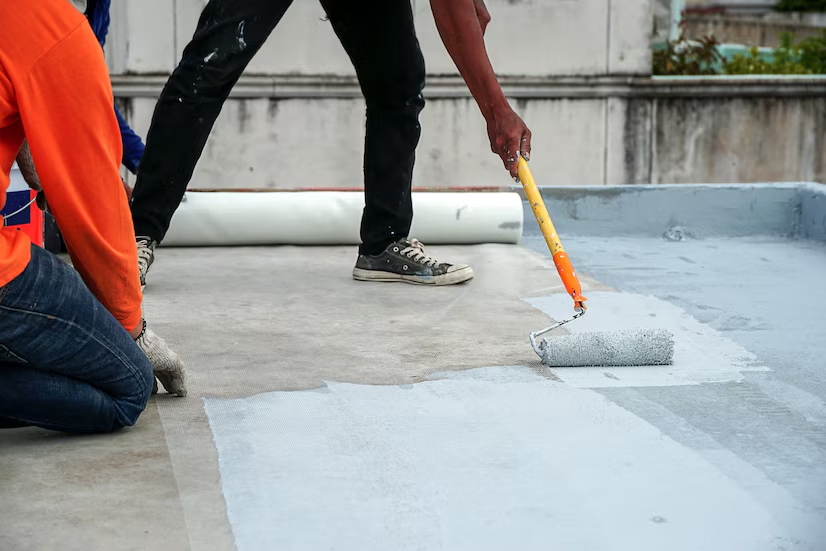
Waterproofing Service Shepparton | Waterproofing Repairs Shepparton

Bathroom and Kitchen Upgrades

Wet areas require special attention to prevent water seepage into walls. During bathroom or kitchen renovations, invest in quality protection measures. Top-quality waterproofing services in Shepparton ensure these high-risk zones remain secure. Proper installation in wet areas prevents expensive structural damage.

Preventive Maintenance Approach

Don’t wait until problems become visible before taking action. Regular preventive maintenance is always cheaper than emergency repairs. Professional waterproofing creates a barrier against future moisture intrusion. This investment protects your most valuable asset from gradual deterioration.

Protect Your Home Today

Your home deserves the best protection against water damage and moisture problems. Professional waterproofing solutions safeguard your property’s structure and your family’s health. Don’t let water infiltration compromise your investment and peace of mind.

Contact NoDrip Waterproofing today for expert advice and reliable solutions. Call 0402 932 162 or email nodripwaterproofing@hotmail.com to schedule your consultation. Visit https://nodripwaterproofing.com/ to learn more about protecting your home.

Frequently Asked Questions

  1. How long does waterproofing typically last?

Quality waterproofing can last 10-25 years, depending on the materials used. Regular inspections help maintain effectiveness over time.

  1. Can waterproofing be done in winter?

Yes, though some products perform better in warmer temperatures. Professional applicators adjust methods according to weather conditions.

  1. Is waterproofing necessary for new homes?

Absolutely. New constructions benefit from modern waterproofing to prevent future problems. It’s easier and cheaper during the initial building stages.

  1. What areas need waterproofing most?

Bathrooms, kitchens, basements, balconies, and roofs require priority attention. These areas experience the most water exposure.

  1. How much disruption does waterproofing cause?

Most projects cause minimal disruption and are completed within days. External waterproofing may require slightly longer timeframes.

  1. Can I waterproof my home myself?

While DIY products exist, professional application ensures proper coverage and longevity. Incorrect installation can lead to failure.

  1. What’s the difference between internal and external waterproofing?

External waterproofing prevents water entry at the source. Internal methods manage water that’s already penetrated structures.

  1. Does waterproofing increase property value?

Yes, it protects structural integrity and appeals to buyers. Properties with quality waterproofing typically achieve higher sale prices.

  1. How do I know if my waterproofing has failed?

Look for damp spots, mould, musty smells, or efflorescence. These indicators suggest moisture is penetrating protective barriers.

  1. Can waterproofing fix existing water damage?

Waterproofing prevents future damage but doesn’t repair existing structural issues. Damaged areas need restoration before the waterproofing application.
How Does Internal Waterproofing Protect Against Humidity Issues?

Humidity and moisture infiltration represent some of the most damaging threats to any building structure. When water seeps through walls, it creates an environment where mould thrives, and structural integrity weakens. Moisture barriers installed internally act as a shield against these persistent problems. Understanding how internal waterproofing works can save your property from costly damage repairs.

What Is Internal Waterproofing?

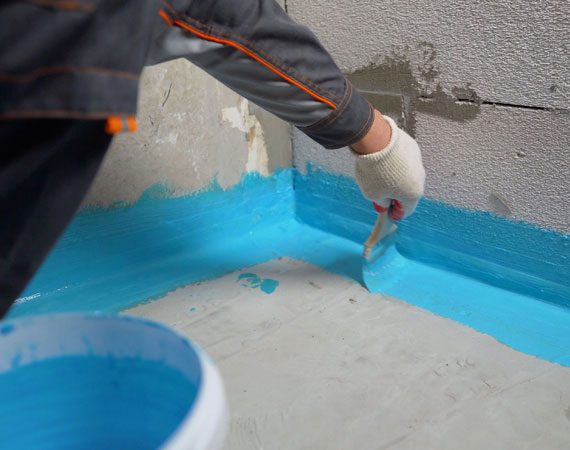
Internal waterproofing involves applying protective coatings and membranes from inside your building. These systems prevent water from entering through walls and foundations. Damp-proofing methods work by creating a continuous barrier against moisture penetration. This approach protects both your interior spaces and structural elements from water damage.

How It Protects Against Humidity

Moisture Prevention Through Barriers

Waterproofing specialists in Shepparton recommend internal membranes for controlling humidity levels effectively. These barriers stop condensation from forming on walls and ceilings. Vapour barriers reduce the amount of moisture that enters living spaces. The result is a healthier indoor environment with lower humidity levels.

Key Protection Mechanisms

  • Stops water from seeping through concrete and brick walls
  • Prevents moisture accumulation in cavity spaces
  • Reduces mould growth in bathrooms and kitchens
  • Protects insulation from becoming saturated with water
  • Keeps structural materials dry and stable

Why Humidity Control Matters

Excess humidity creates serious problems for any property owner. High moisture levels cause wallpaper to peel and paint to bubble quickly. Wooden structures begin to rot when exposed to prolonged dampness. Specialists of wet areas waterproofing in Melbourne emphasise prevention rather than repair costs.

Internal vs External Waterproofing

Both approaches serve important purposes in protecting buildings. External systems stop water at the source before entry occurs. Internal systems manage moisture that has already penetrated the structure. Combined strategies offer the most comprehensive protection against humidity damage. Waterproofing contractors in Melbourne often recommend a layered defence system approach.

Installation and Maintenance

Proper installation is critical for effective moisture protection and longevity. Internal waterproofing in Melbourne requires skilled application of membranes and sealants. Regular inspections help identify weak points before problems develop. Maintaining these systems extends their protective lifespan significantly.

Waterproofing Service Shepparton | Waterproofing Repairs Shepparton

Maintenance Tips

  • Check seals around pipes and penetrations regularly
  • Look for signs of water staining on ceilings
  • Ensure ventilation systems function properly daily
  • Apply refresher coatings every five to ten years

Benefits of Internal Waterproofing

Protecting your building from humidity delivers numerous advantages. You’ll enjoy improved air quality throughout all interior spaces. Energy bills decrease when moisture isn’t forcing your climate system harder. Property value increases as structural integrity remains sound and protected. Residents experience greater comfort in drier, healthier indoor environments overall.

Conclusion

Internal waterproofing is essential for maintaining healthy, durable building structures today. Humidity and moisture damage cost thousands in repairs without proper prevention measures. Protecting your property with internal waterproofing systems offers long-term security and comfort. Don’t let moisture damage compromise your investment any longer.

Contact NoDrip Waterproofing now for professional assessment and solutions. Call us on 0402 932 162 or email nodripwaterproofing@hotmail.com. Visit our website at https://nodripwaterproofing.com/ for more information about protecting your property.

Frequently Asked Questions

1. What’s the difference between waterproofing and damp-proofing?

Waterproofing completely prevents water penetration through thick membranes and coatings. Damp-proofing reduces moisture passage through materials like brick and concrete. Waterproofing offers stronger protection for areas with heavy water exposure daily.

2. Can internal waterproofing fix existing moisture problems?

Yes, internal waterproofing can stop ongoing moisture issues in affected areas. It prevents further water penetration and allows existing dampness to gradually dry. Professional assessment determines the best treatment approach for your specific situation.

3. How long does internal waterproofing last typically?

Quality internal waterproofing systems typically last fifteen to twenty years effectively. Durability depends on proper installation, maintenance, and environmental conditions experienced. Regular inspections help extend protection by identifying and addressing issues early.

4. Is internal waterproofing suitable for all building types?

Internal waterproofing works effectively on residential, commercial, and industrial properties. Bathrooms, kitchens, basements, and wet areas benefit significantly from protection. Assessment by specialists determines the most appropriate system for your structure.

5. What causes interior humidity issues in buildings?

Water seeping through walls, poor ventilation, and condensation create humidity. Leaking pipes and inadequate drainage systems contribute to excessive moisture levels. Climate conditions and building age also influence how much moisture accumulates indoors.

6. Can I apply internal waterproofing myself?

Professional installation ensures proper application, and maximum protection effectiveness is achieved. DIY attempts often result in incomplete coverage and reduced performance over time. Specialists have the proper tools, materials, and expertise for optimal results guaranteed.

7. How much does internal waterproofing cost typically?

Costs vary based on area size, damage severity, and system complexity. Professional quotes consider specific requirements and the chosen waterproofing methods available. Investment in prevention saves significantly compared to repairing moisture damage later.

8. Will waterproofing affect interior decoration or appearance?

Modern waterproofing systems can be applied under flooring, paint, and finishes. Some visible sealants require aesthetic consideration during design planning stages. Specialists work with you to minimise visual impact whilst maximising protection levels.

9. How quickly does internal waterproofing prevent humidity problems?

Effective systems reduce humidity levels noticeably within days or weeks, typically. Improvement speed depends on the extent of initial moisture damage present. Complete environmental stabilisation may take several months for severely affected areas.

10. What signs indicate my building needs internal waterproofing?

Look for water stains, peeling paint, musty odours, and visible mould growth. Dampness on walls, efflorescence, and warped materials suggest moisture problems exist. Professional inspection confirms whether internal waterproofing is necessary for protection.

Residential vs Commercial Waterproofing: Key Differences, Benefits & Which Solution You Need

Introduction

Water damage is one of the most common threats affecting properties across Australia. Whether you own a home, manage a commercial building, or are constructing a new property, choosing the right waterproofing solution plays a major role in protecting your investment.

Many property owners assume that all waterproofing systems work the same way, but residential and commercial waterproofing require different approaches, materials, techniques, and levels of expertise.

A correctly installed waterproofing system helps prevent leaks, mould growth, structural deterioration, and expensive repairs. Working with experienced waterproofing contractors Melbourne ensures your property receives a reliable solution designed for its specific requirements.

NoDrip Waterproofing provides professional waterproofing solutions for homeowners, builders, and businesses throughout Shepparton and Melbourne. With quality workmanship and a focus on long-term protection, our team helps protect properties from moisture-related problems.

Call NoDrip Waterproofing today on 0402 932 162 for expert waterproofing advice and service.

What Is Residential Waterproofing?

Residential waterproofing Melbourne focuses on protecting homes from water leaks and moisture damage. It is commonly required in areas where water exposure is frequent, such as bathrooms, balconies, laundries, kitchens, and outdoor living spaces.

Homes need waterproofing systems that protect the internal structure while maintaining comfort, safety, and property value.

Common residential waterproofing applications include:

  • Bathroom waterproofing Melbourne
  • Shower waterproofing
  • Balcony waterproofing
  • Laundry waterproofing
  • Basement waterproofing
  • Roof waterproofing
  • Outdoor area waterproofing

In residential properties, even a small leak can create major problems over time. Water can travel behind walls, under tiles, and into building materials, causing mould, damaged finishes, and structural issues.

Professional waterproofing specialists use suitable membranes, sealants, and installation methods to create a protective barrier against moisture.

For homeowners, investing in quality property waterproofing helps reduce future repair costs and improves the overall durability of the home.

What Is Commercial Waterproofing?

Commercial waterproofing Melbourne involves protecting larger and more complex buildings from water intrusion. Commercial properties often experience higher levels of usage, greater exposure to weather conditions, and stricter construction requirements.

Commercial waterproofing is commonly required for:

  • Office buildings
  • Retail properties
  • Apartment complexes
  • Warehouses
  • Industrial buildings
  • Public facilities
  • Commercial construction projects

Unlike residential projects, commercial waterproofing often requires advanced planning, specialised materials, and larger-scale application techniques.

Commercial buildings may require waterproofing systems designed for heavy foot traffic, large surface areas, drainage management, and long-term performance.

Professional commercial waterproofing services help businesses avoid operational disruptions caused by leaks, water damage, or building deterioration.

Residential vs Commercial Waterproofing: Key Differences

Although both residential and commercial waterproofing aim to prevent water damage, there are several important differences.

Factor Residential Waterproofing Commercial Waterproofing
Project Size Smaller areas such as bathrooms and balconies Large buildings and extensive areas
Usage Standard household use High-traffic commercial environments
Materials Residential-grade membranes and sealants Heavy-duty commercial waterproofing systems
Planning Simpler installation process Detailed planning and compliance requirements
Durability Needs Designed for home protection Designed for long-term commercial performance
Maintenance Regular household checks Professional maintenance programs

Understanding these differences helps property owners select the right waterproofing solution.

Materials Used in Waterproofing Systems

The quality of waterproofing depends heavily on using the right materials and applying them correctly.

Common waterproofing materials include:

Liquid Waterproofing Membranes

Liquid membranes are widely used for residential and commercial projects. They are applied as a coating that creates a seamless waterproof barrier.

They are popular because they can cover detailed areas and provide excellent moisture protection.

Sheet Membranes

Sheet membranes are pre-manufactured waterproof layers installed over surfaces. They are commonly used in situations requiring strong and consistent protection.

Sealants and Joint Protection

Sealants are used around joints, gaps, and movement areas to prevent water from entering vulnerable points.

Choosing the correct materials requires experience and knowledge of the property structure.

Benefits of Professional Waterproofing Services

Hiring experienced waterproofing contractors Melbourne provides several important benefits.

Prevents Water Damage

The main purpose of waterproofing is to stop water from entering unwanted areas. A properly installed system protects walls, floors, ceilings, and structural components.

Reduces Repair Costs

Ignoring waterproofing issues can lead to expensive repairs. Water damage may affect tiles, plaster, flooring, electrical components, and building structures.

Professional waterproofing provides long-term protection and reduces unexpected maintenance expenses.

Improves Property Value

A property with reliable waterproofing is more attractive to buyers and tenants. Proper moisture protection shows that the building has been maintained professionally.

Prevents Mould and Moisture Problems

Excess moisture creates ideal conditions for mould growth. Waterproofing helps maintain healthier indoor environments by reducing damp areas.

Supports Building Longevity

Buildings are long-term investments. Effective building waterproofing solutions protect materials from deterioration and extend the life of the property.

Why Choose NoDrip Waterproofing?

Choosing the right waterproofing company is essential for achieving long-lasting results.

NoDrip Waterproofing provides reliable waterproofing solutions for residential and commercial properties throughout Shepparton and Melbourne.

Our approach focuses on:

  • Quality workmanship
  • Professional waterproofing methods
  • Reliable customer service
  • Long-term moisture protection
  • Practical solutions for different property types

Whether you need a new installation, waterproofing repairs, or advice for an upcoming project, our team provides solutions designed around your needs.

As trusted waterproofing experts, NoDrip Waterproofing understands the importance of proper preparation, quality materials, and accurate installation.

For professional waterproofing services Shepparton and Melbourne property owners can rely on, contact NoDrip Waterproofing today on 0402 932 162.

How To Choose Between Residential and Commercial Waterproofing

The right waterproofing system depends on your property type, location, and moisture risks.

Residential property owners should consider:

  • Areas exposed to regular water use
  • Existing leaks or moisture issues
  • Renovation or construction requirements
  • Long-term property protection

Commercial property owners should consider:

  • Building size
  • Occupancy levels
  • Compliance requirements
  • Maintenance planning
  • Environmental exposure

A professional assessment helps determine the most effective waterproofing approach.

Frequently Asked Questions

What is the difference between residential and commercial waterproofing?

Residential waterproofing protects homes such as bathrooms, balconies, and laundries, while commercial waterproofing protects larger buildings with more complex requirements.

Is commercial waterproofing stronger than residential waterproofing?

Commercial waterproofing systems are usually designed for larger areas, higher usage, and more demanding environments. The best option depends on the specific property requirements.

How much does waterproofing cost in Melbourne?

The cost depends on factors including project size, materials, surface condition, and the waterproofing method required. A professional inspection provides a more accurate estimate.

Why should I hire professional waterproofing contractors?

Experienced contractors understand correct preparation, material selection, and application techniques. Professional installation reduces the risk of leaks and future damage.

Do new homes need waterproofing?

Yes. New homes require waterproofing in specific areas to protect the structure and meet Australian building requirements.

Get Expert Waterproofing Support Today

Whether you need residential waterproofing Melbourne services or large-scale commercial waterproofing Melbourne solutions, choosing an experienced team makes a significant difference.

NoDrip Waterproofing helps homeowners and businesses protect their properties with dependable waterproofing solutions.