All posts by admin

Waterproofing Flat Roofs With Gardens: Challenges You May Face

Imagine investing thousands into a beautiful rooftop garden, only to discover water stains creeping across your ceiling months later!

Unfortunately, this is a common story for homeowners who underestimate the complexity of waterproofing a garden-installed flat roof. Plants, soil, irrigation systems, and changing weather conditions create a unique set of challenges that standard waterproofing systems simply aren’t designed to handle.

So, before you start your next renovation project, here’s what you need to know.

Why Rooftop Gardens Create Unique Waterproofing Challenges

Traditional roofs are designed to shed water quickly. And rooftop gardens do the exact opposite.

They intentionally retain moisture to support plant growth, which means your roof remains exposed to constant dampness. Thus, without proper roof waterproofing, you may face:

  • Water penetration
  • Structural damage
  • Root intrusion
  • Mould growth
  • Drainage failures
  • Expensive repairs

The reality is simple: “A rooftop garden is only as good as the waterproofing system underneath it.”

The Biggest Challenge: Water Doesn’t Always Drain Properly

One of the most overlooked issues in green roof construction is poor drainage.

Unlike conventional roofs, garden roofs contain multiple layers, including:

  • Waterproof membranes
  • Root barriers
  • Drainage layers
  • Growing medium
  • Vegetation

When any one of these layers fails, water can become trapped beneath the surface. Here are the most common signs of drainage problems:

  • Standing water
  • Damp ceilings
  • Cracked roof surfaces
  • Unpleasant indoor odours

This is why professional flat roof waterproofing should always be treated as an essential investment rather than an optional upgrade.

How to Choose Right Roof Waterproofing Services?

Root Damage Is More Aggressive Than Most Homeowners Expect

Plants add beauty to a property, but their roots can become surprisingly destructive.

Over time, roots naturally search for moisture and can penetrate weak points in roofing membranes.

High-risk plant choices include:

  • Bamboo
  • Large shrubs
  • Fast-growing ground covers
  • Aggressive ornamental plants

Using root-resistant membranes and durable waterproofing systems can significantly reduce this risk. A properly designed green roof system should protect both your garden and your home’s structural integrity.

Weather Extremes Can Shorten the Lifespan of Waterproofing Systems

Australian weather isn’t always kind to rooftop gardens. Your roof may experience:

  • Heavy rainfall
  • Intense UV exposure
  • Summer heat
  • Rapid temperature fluctuations
  • Seasonal storms

These conditions cause roofing materials to expand and contract repeatedly.

Without effective rooftop waterproofing, small cracks can quickly develop into major leaks.

Choosing high-performance waterproof membranes designed specifically for green roofs can help protect your investment for years to come.

Waterproofing Repairs Become More Complicated Once the Garden Is Installed

Repairing a conventional roof is relatively straightforward.

Repairing a roof hidden beneath layers of soil, irrigation pipes, mulch, and established plants is an entirely different challenge. Repairs often require:

  • Removing vegetation
  • Excavating growing media
  • Dismantling irrigation systems
  • Reinstalling landscaping elements

Preventative maintenance and routine inspections are far more affordable than emergency restoration work.

How to Protect Your Rooftop Garden From Costly Water Damage

Before installing a rooftop garden, make sure you:

  • Choose a specialised waterproofing system
  • Invest in high-quality membranes
  • Install proper drainage solutions
  • Select suitable plants
  • Schedule regular inspections
  • Work with experienced waterproofing professionals

Addressing these issues early can save you thousands in future repair costs while preserving both your garden and your home.

Keep Your Rooftop Garden Beautiful… Not Water-Damaged

Your rooftop garden should be a place to relax, entertain, and enjoy.

If you’re planning a green roof or dealing with existing leaks, don’t wait until minor moisture problems turn into major structural damage.

Protect Your Investment With NoDrip Waterproofing

At NoDrip Waterproofing, we understand the unique challenges that come with garden-installed flat roofs. Considering them all, our team delivers reliable waterproofing solutions designed to protect your home, your garden, and your peace of mind.

Contact us today and discover how the right waterproofing system can keep your rooftop garden thriving for years to come.

Frequently Asked Questions

  • Can a rooftop garden be installed on an existing flat roof without major modifications?

Not always. Older roofs may require structural reinforcement, improved drainage, and additional protective layers before they can safely support a rooftop garden.

  • Is there a difference between standard waterproofing and waterproofing designed for garden roofs?

Yes. Roof waterproofing for garden-installed roofs typically requires specialised membranes that can withstand constant moisture, root penetration, and fluctuating temperatures.

  • Do all plants pose the same risk to waterproofed flat roofs?

No. Some plants have shallow, non-invasive root systems, while others can aggressively penetrate protective layers and compromise the roof’s integrity.

  • Can waterproofing membranes be replaced without removing the entire rooftop garden?

In many cases, sections of the garden must be temporarily removed to access the damaged areas. That’s why investing in professional flat roof waterproofing from the beginning is so important.

  • Can irrigation systems increase the likelihood of hidden roof leaks?

Yes. Faulty irrigation lines can create persistent moisture that often goes unnoticed until water damage begins appearing inside the home.

  • Does a rooftop garden require a different maintenance schedule than a traditional flat roof?

Absolutely. Regular inspections, drainage checks, and membrane assessments are essential to maintain effective rooftop waterproofing and prevent long-term structural issues.

  • Are lightweight green roofs less likely to develop waterproofing problems?

While lightweight systems reduce structural pressure, they still require high-quality waterproofing and proper drainage to perform effectively.

  • Can poor drainage affect the health of rooftop plants as well as the roof itself?

Yes. Excess water can damage plant roots, encourage mould growth, weaken the roof structure, and significantly reduce the lifespan of the entire system.

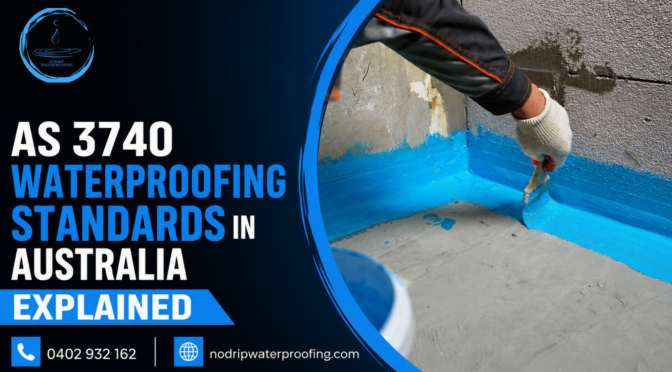
AS 3740 Waterproofing Standards in Australia Explained

Leaky bathrooms and mouldy walls usually trace back to one thing: non-compliant work. The AS 3740 waterproofing standards in Australia set the legal benchmark for wet area membranes in every state, and understanding them protects your reno budget and your health. Here’s what tradies, builders, and homeowners actually need to know.

What Is AS 3740?

AS 3740 is the Australian Standard governing waterproofing of domestic wet areas, including bathrooms, laundries, and ensuites. It’s referenced directly in the National Construction Code (NCC), making it a legal requirement rather than a suggestion.

Why Do the AS 3740 Waterproofing Standards in Australia Matter?

They exist to stop water damage, mould, and structural rot before they start. Councils and insurers rely on this standard to determine whether wet area work is compliant, and non-compliance can void your home insurance claim.

Which Areas Require Compliance?

The standard applies to specific “wet areas” within a home, each with different waterproofing requirements based on risk of water exposure.

Area Waterproofing Requirement
Shower recess (no hob) Entire floor + walls to 1800mm
Shower recess (with hob) Floor + walls to 150mm above hob
Bathroom floor (outside shower) Full floor membrane
Laundry floor Full floor membrane
Walls junctioning with floor Minimum 100mm upturn

What Materials Are Approved Under the Standard?

Only tested, compliant membrane systems can be used to meet AS 3740 requirements — not every product on the shelf qualifies.

  • Liquid-applied membranes (paint-on systems)
  • Sheet membranes
  • Cementitious waterproofing compounds
  • Bonded sheet flooring systems with certified compliance

How Do You Know If a Job Meets AS 3740?

A compliant job comes with a signed waterproofing certificate from a licensed applicator, confirming the product and installation method used.

  1. Check the installer holds a current waterproofing licence
  2. Request the Certificate of Compliance
  3. Confirm product data sheets match what’s certified under AS 3740
  4. Photograph the membrane before tiling covers it (best practice, not mandatory — but smart)

What’s the Waterproofing Cost Australia Homeowners Should Expect?

Pricing varies by state, bathroom size, and membrane type, but most Australian bathrooms fall within a predictable range.

Waterproofing costs in Australia are indicative — always get a written quote referencing AS 3740 compliance specifically.

Why You Shouldn’t DIY Wet Area Waterproofing

In most states, waterproofing is licensed work — meaning DIY jobs can breach building regulations and void insurance. Searching for waterproofing specialists near me or waterproofing experts near me ensures you get a licensed, insured professional who issues proper compliance paperwork.

How to Choose the Right Contractor

Not every plumber or tiler is licensed for membrane work — waterproofing is its own trade specialisation.

  • Ask for their waterproofing licence number
  • Check reviews specific to bathroom/wet area jobs
  • Confirm they follow the AS 3740 waterproofing standards in Australia, not generic practices
  • Get a written warranty (7–10 years is standard for compliant work)

What Happens If a Renovation Isn’t AS 3740 Compliant?

Non-compliant waterproofing can trigger council rectification orders, failed building inspections, and denied insurance claims after water damage occurs. It’s a far more expensive fix later than getting it right the first time.

The Bottom Line

The AS 3740 waterproofing standards in Australia aren’t red tape — they’re what stands between your home and thousands of dollars in hidden water damage. Whether you’re renovating a single ensuite or a full home, compliant waterproofing is non-negotiable.

Ready to Waterproof the Right Way?

Don’t gamble on a leak-prone bathroom. If you’re searching for waterproofing services near me, book a licensed waterproofing specialist like NoDrip Waterproofing today for a free, no-obligation quote — and get your compliance certificate guaranteed under the AS 3740 waterproofing standards in Australia. Call us and get a free quote from our professionals.

FAQs

1. Is AS 3740 legally mandatory in Australia?

Yes, it’s referenced in the National Construction Code and enforced by state building regulations.

2. Do I need a licence to waterproof a bathroom myself?

In most Australian states, wet area waterproofing must be carried out by a licensed applicator.

3. How long does compliant waterproofing last?

Quality membranes installed to AS 3740 standards typically last 15–25 years.

4. Does AS 3740 cover balconies and external areas?

No, external and balcony areas are covered under the separate AS 4654 standard.

5. Can non-compliant waterproofing affect my insurance?

Yes, insurers can reject water damage claims if the original work wasn’t AS 3740 compliant.

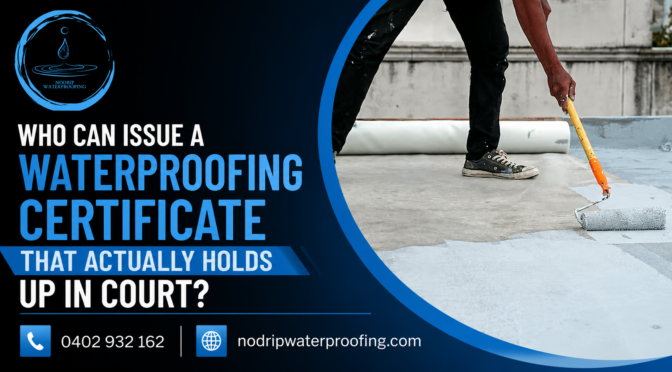
Who Can Issue a Waterproofing Certificate That Actually Holds Up in Court?

Waterproofing certificates matter far more than most people realise. Your building’s protection depends on having proper, legitimate documentation. However, not every professional can legally issue these important documents. Understanding who holds the authority to issue them protects your investment completely.

Who Can Issue Valid Waterproofing Certificates?

Only licensed professionals with proper credentials can issue legitimate certificates. These experts possess extensive training and formal building qualifications. They understand building codes, construction standards, and legal requirements thoroughly. Their professional standing ensures certificates are actually court-admissible and legally enforceable.

Recognised Certificate Issuers Include:

  • Certified waterproofing specialists with industry-specific accreditation and training
  • Structural engineers registered with professional engineering bodies officially
  • Building inspectors appointed or licensed by relevant regulatory authorities
  • Third-party certification bodies independently recognised under construction legislation
  • Independent surveying professionals with appropriate credentials and insurance coverage

When you need waterproofing certification, always verify credentials beforehand. Check their professional registration and standing independently. Not every claim of expertise holds actual legal weight in courts.

Professional Qualifications Required for Issuers

Valid certificate issuers must hold specific, verified credentials. Their qualifications include formal training in building construction. They need current, active licenses from regulatory bodies. Their expertise in moisture detection, waterproofing systems, and inspection protocols matters greatly.

Professionals must understand damp testing equipment, leak detection methods, and documentation requirements. They should possess liability insurance for additional protection. Experience in the construction industry demonstrates practical knowledge thoroughly.

What Makes a Certificate Court-Approved?

For waterproofing in Shepparton, courts require detailed, comprehensive inspection reports. The document must include specific findings and clear recommendations. Professional seals, signatures, and dates make documents officially binding. The issuer’s credentials must remain independently verifiable at all times.

A legally enforceable certificate contains detailed technical specifications clearly. It documents exactly what was inspected and tested. Results include photographic evidence and measurement data recorded. Methodology details explain testing procedures and assessment standards used.

Why Third-Party Inspectors Matter

Independent inspectors provide unbiased assessments that courts respect completely. They remain financially neutral regarding construction or repair work. This neutrality makes their waterproofing in Melbourne highly credible. Courts strongly favour reports from completely unaffiliated third parties.

Builders cannot issue their own certificates legally anywhere. This rule prevents obvious conflicts of interest from naturally occurring. For waterproofing in Shepparton, hiring independent professionals protects your interests considerably. Their impartiality strengthens your legal position significantly during disputes.

Understanding Certificate Authority and Limitations

Certificates expire and require periodic renewal for ongoing validity. Building conditions change over time, sometimes substantially. An outdated certificate may no longer provide adequate protection. For waterproofing in Shepparton, updated inspections become necessary over time. Regular professional assessments protect your property and financial investment.

Courts recognise certificates issued by qualified, licensed professionals only. Self-issued documentation holds no legal weight whatsoever. Proper certification requires third-party assessment from recognised authorities. Documentation must follow Australian building standards and relevant guidelines.

Conclusion

Waterproofing certificates from qualified professionals protect your property effectively. They provide legal evidence of proper protection measures undertaken. Getting documentation from authorised experts ensures complete court acceptance. Your investment deserves protection from qualified, certified professionals always.

Don’t risk your property with unqualified inspectors ever. Contact NoDrip Waterproofing today for professional, certified assistance. Call 0402 932 162 or email nodripwaterproofing@hotmail.com for comprehensive solutions. Visit https://nodripwaterproofing.com/ for certified waterproofing documentation and expert guidance.

Frequently Asked Questions

1. Who legally issues waterproofing certificates?

Only licensed professionals, certified inspectors, and registered engineers can issue valid certificates. Third-party certification bodies recognised by law hold this authority.

2. Why can’t builders issue their own certificates?

Builders have a financial interest in construction approval, creating conflicts of interest. Courts require independent assessments from unaffiliated professionals for validity.

3. What qualifications must certificate issuers have?

Issuers need formal building qualifications, current professional licenses, and industry accreditation. Experience in construction and valid liability insurance are essential requirements.

4. How long do waterproofing certificates remain valid?

Certificate validity varies but typically ranges from 5 to 10 years. Building changes require updated inspections and new certification documentation.

5. Do courts accept all professional certificates equally?

No, courts only accept certificates from recognised, licensed professionals. Third-party inspectors hold more credibility than interested builders or contractors.

6. What should a court-approved certificate contain?

Valid certificates include detailed inspection findings, technical specifications, photographs, measurements, and issuer credentials. Professional seals and signatures make documents legally binding.

7. Are international certificates accepted in Australian courts?

Australian courts prefer documentation following local building standards and regulations. International certificates require specific authentication and may need local professional verification.

8. Can I dispute a waterproofing certificate in court?

Yes, you can challenge certificates by questioning issuer qualifications or inspection methodology. Independent re-inspection by another qualified professional strengthens your dispute.

9. What testing methods do professionals use for certification?

 Professionals use moisture metres, water spray testing, thermal imaging, and dye penetration techniques. Methods vary depending on building type and waterproofing systems used.

10. How much should waterproofing certificates cost?

Costs vary considerably based on property size and complexity requirements. Always compare quotes from multiple qualified professionals before deciding.

When Should You Invest in Residential Waterproofing in Shepparton?

Water damage can silently destroy your home’s structure and value over time. Recognising the warning signs early helps you avoid costly repairs down the track. Understanding when to invest in protection ensures your property remains safe and dry. Let’s explore the key indicators that signal it’s time to take action.

Visible Signs of Water Damage

Your home often shows clear signals when moisture becomes a problem. Look out for these common indicators:

  • Damp patches appearing on walls or ceilings
  • Peeling paint or bubbling wallpaper in various rooms
  • Musty odours that linger despite regular cleaning
  • Mould growth in corners, bathrooms, or basements

These signs suggest water is penetrating your home’s protective barriers. Acting quickly prevents further deterioration and health concerns.

After Heavy Rainfall or Flooding

Extreme weather events can compromise your home’s structural integrity. Residential waterproofing in Shepparton becomes essential after significant water exposure. Even minor flooding can create long-term moisture problems. Investing in protection immediately after such events saves money later.

Before Renovations or Extensions

Planning to renovate or extend your home? This is the perfect time to add waterproofing measures. Installing a waterproofing membrane in Shepparton during construction is more cost-effective. It’s easier to access areas that need protection before finishing work begins. This proactive approach prevents future headaches and expenses.

When Selling Your Property

A well-maintained, waterproofed home attracts better offers from potential buyers. Property inspections often reveal moisture issues that reduce sale prices. Investing in liquid membrane waterproofing in Shepparton boosts your home’s market appeal. It demonstrates quality maintenance and care to prospective purchasers.

Aging Building Structures

Older homes naturally develop vulnerabilities in their protective barriers over time. Deteriorating seals around windows, doors, and foundations allow water entry. If your home is over fifteen years old, consider a professional assessment. Modern waterproofing solutions significantly extend your property’s lifespan.

Waterproofing Service Shepparton | Waterproofing Repairs Shepparton

Bathroom and Kitchen Upgrades

Wet areas require special attention to prevent water seepage into walls. During bathroom or kitchen renovations, invest in quality protection measures. Top-quality waterproofing services in Shepparton ensure these high-risk zones remain secure. Proper installation in wet areas prevents expensive structural damage.

Preventive Maintenance Approach

Don’t wait until problems become visible before taking action. Regular preventive maintenance is always cheaper than emergency repairs. Professional waterproofing creates a barrier against future moisture intrusion. This investment protects your most valuable asset from gradual deterioration.

Protect Your Home Today

Your home deserves the best protection against water damage and moisture problems. Professional waterproofing solutions safeguard your property’s structure and your family’s health. Don’t let water infiltration compromise your investment and peace of mind.

Contact NoDrip Waterproofing today for expert advice and reliable solutions. Call 0402 932 162 or email nodripwaterproofing@hotmail.com to schedule your consultation. Visit https://nodripwaterproofing.com/ to learn more about protecting your home.

Frequently Asked Questions

  1. How long does waterproofing typically last?

Quality waterproofing can last 10-25 years, depending on the materials used. Regular inspections help maintain effectiveness over time.

  1. Can waterproofing be done in winter?

Yes, though some products perform better in warmer temperatures. Professional applicators adjust methods according to weather conditions.

  1. Is waterproofing necessary for new homes?

Absolutely. New constructions benefit from modern waterproofing to prevent future problems. It’s easier and cheaper during the initial building stages.

  1. What areas need waterproofing most?

Bathrooms, kitchens, basements, balconies, and roofs require priority attention. These areas experience the most water exposure.

  1. How much disruption does waterproofing cause?

Most projects cause minimal disruption and are completed within days. External waterproofing may require slightly longer timeframes.

  1. Can I waterproof my home myself?

While DIY products exist, professional application ensures proper coverage and longevity. Incorrect installation can lead to failure.

  1. What’s the difference between internal and external waterproofing?

External waterproofing prevents water entry at the source. Internal methods manage water that’s already penetrated structures.

  1. Does waterproofing increase property value?

Yes, it protects structural integrity and appeals to buyers. Properties with quality waterproofing typically achieve higher sale prices.

  1. How do I know if my waterproofing has failed?

Look for damp spots, mould, musty smells, or efflorescence. These indicators suggest moisture is penetrating protective barriers.

  1. Can waterproofing fix existing water damage?

Waterproofing prevents future damage but doesn’t repair existing structural issues. Damaged areas need restoration before the waterproofing application.

How Does Internal Waterproofing Protect Against Humidity Issues?

Humidity and moisture infiltration represent some of the most damaging threats to any building structure. When water seeps through walls, it creates an environment where mould thrives, and structural integrity weakens. Moisture barriers installed internally act as a shield against these persistent problems. Understanding how internal waterproofing works can save your property from costly damage repairs.

What Is Internal Waterproofing?

Internal waterproofing involves applying protective coatings and membranes from inside your building. These systems prevent water from entering through walls and foundations. Damp-proofing methods work by creating a continuous barrier against moisture penetration. This approach protects both your interior spaces and structural elements from water damage.

How It Protects Against Humidity

Moisture Prevention Through Barriers

Waterproofing specialists in Shepparton recommend internal membranes for controlling humidity levels effectively. These barriers stop condensation from forming on walls and ceilings. Vapour barriers reduce the amount of moisture that enters living spaces. The result is a healthier indoor environment with lower humidity levels.

Key Protection Mechanisms

  • Stops water from seeping through concrete and brick walls
  • Prevents moisture accumulation in cavity spaces
  • Reduces mould growth in bathrooms and kitchens
  • Protects insulation from becoming saturated with water
  • Keeps structural materials dry and stable

Why Humidity Control Matters

Excess humidity creates serious problems for any property owner. High moisture levels cause wallpaper to peel and paint to bubble quickly. Wooden structures begin to rot when exposed to prolonged dampness. Specialists of wet areas waterproofing in Melbourne emphasise prevention rather than repair costs.

Internal vs External Waterproofing

Both approaches serve important purposes in protecting buildings. External systems stop water at the source before entry occurs. Internal systems manage moisture that has already penetrated the structure. Combined strategies offer the most comprehensive protection against humidity damage. Waterproofing contractors in Melbourne often recommend a layered defence system approach.

Installation and Maintenance

Proper installation is critical for effective moisture protection and longevity. Internal waterproofing in Melbourne requires skilled application of membranes and sealants. Regular inspections help identify weak points before problems develop. Maintaining these systems extends their protective lifespan significantly.

Waterproofing Service Shepparton | Waterproofing Repairs Shepparton

Maintenance Tips

  • Check seals around pipes and penetrations regularly
  • Look for signs of water staining on ceilings
  • Ensure ventilation systems function properly daily
  • Apply refresher coatings every five to ten years

Benefits of Internal Waterproofing

Protecting your building from humidity delivers numerous advantages. You’ll enjoy improved air quality throughout all interior spaces. Energy bills decrease when moisture isn’t forcing your climate system harder. Property value increases as structural integrity remains sound and protected. Residents experience greater comfort in drier, healthier indoor environments overall.

Conclusion

Internal waterproofing is essential for maintaining healthy, durable building structures today. Humidity and moisture damage cost thousands in repairs without proper prevention measures. Protecting your property with internal waterproofing systems offers long-term security and comfort. Don’t let moisture damage compromise your investment any longer.

Contact NoDrip Waterproofing now for professional assessment and solutions. Call us on 0402 932 162 or email nodripwaterproofing@hotmail.com. Visit our website at https://nodripwaterproofing.com/ for more information about protecting your property.

Frequently Asked Questions

1. What’s the difference between waterproofing and damp-proofing?

Waterproofing completely prevents water penetration through thick membranes and coatings. Damp-proofing reduces moisture passage through materials like brick and concrete. Waterproofing offers stronger protection for areas with heavy water exposure daily.

2. Can internal waterproofing fix existing moisture problems?

Yes, internal waterproofing can stop ongoing moisture issues in affected areas. It prevents further water penetration and allows existing dampness to gradually dry. Professional assessment determines the best treatment approach for your specific situation.

3. How long does internal waterproofing last typically?

Quality internal waterproofing systems typically last fifteen to twenty years effectively. Durability depends on proper installation, maintenance, and environmental conditions experienced. Regular inspections help extend protection by identifying and addressing issues early.

4. Is internal waterproofing suitable for all building types?

Internal waterproofing works effectively on residential, commercial, and industrial properties. Bathrooms, kitchens, basements, and wet areas benefit significantly from protection. Assessment by specialists determines the most appropriate system for your structure.

5. What causes interior humidity issues in buildings?

Water seeping through walls, poor ventilation, and condensation create humidity. Leaking pipes and inadequate drainage systems contribute to excessive moisture levels. Climate conditions and building age also influence how much moisture accumulates indoors.

6. Can I apply internal waterproofing myself?

Professional installation ensures proper application, and maximum protection effectiveness is achieved. DIY attempts often result in incomplete coverage and reduced performance over time. Specialists have the proper tools, materials, and expertise for optimal results guaranteed.

7. How much does internal waterproofing cost typically?

Costs vary based on area size, damage severity, and system complexity. Professional quotes consider specific requirements and the chosen waterproofing methods available. Investment in prevention saves significantly compared to repairing moisture damage later.

8. Will waterproofing affect interior decoration or appearance?

Modern waterproofing systems can be applied under flooring, paint, and finishes. Some visible sealants require aesthetic consideration during design planning stages. Specialists work with you to minimise visual impact whilst maximising protection levels.

9. How quickly does internal waterproofing prevent humidity problems?

Effective systems reduce humidity levels noticeably within days or weeks, typically. Improvement speed depends on the extent of initial moisture damage present. Complete environmental stabilisation may take several months for severely affected areas.

10. What signs indicate my building needs internal waterproofing?

Look for water stains, peeling paint, musty odours, and visible mould growth. Dampness on walls, efflorescence, and warped materials suggest moisture problems exist. Professional inspection confirms whether internal waterproofing is necessary for protection.

Residential vs Commercial Waterproofing: Key Differences, Benefits & Which Solution You Need

Introduction

Water damage is one of the most common threats affecting properties across Australia. Whether you own a home, manage a commercial building, or are constructing a new property, choosing the right waterproofing solution plays a major role in protecting your investment.

Many property owners assume that all waterproofing systems work the same way, but residential and commercial waterproofing require different approaches, materials, techniques, and levels of expertise.

A correctly installed waterproofing system helps prevent leaks, mould growth, structural deterioration, and expensive repairs. Working with experienced waterproofing contractors Melbourne ensures your property receives a reliable solution designed for its specific requirements.

NoDrip Waterproofing provides professional waterproofing solutions for homeowners, builders, and businesses throughout Shepparton and Melbourne. With quality workmanship and a focus on long-term protection, our team helps protect properties from moisture-related problems.

Call NoDrip Waterproofing today on 0402 932 162 for expert waterproofing advice and service.

What Is Residential Waterproofing?

Residential waterproofing Melbourne focuses on protecting homes from water leaks and moisture damage. It is commonly required in areas where water exposure is frequent, such as bathrooms, balconies, laundries, kitchens, and outdoor living spaces.

Homes need waterproofing systems that protect the internal structure while maintaining comfort, safety, and property value.

Common residential waterproofing applications include:

  • Bathroom waterproofing Melbourne
  • Shower waterproofing
  • Balcony waterproofing
  • Laundry waterproofing
  • Basement waterproofing
  • Roof waterproofing
  • Outdoor area waterproofing

In residential properties, even a small leak can create major problems over time. Water can travel behind walls, under tiles, and into building materials, causing mould, damaged finishes, and structural issues.

Professional waterproofing specialists use suitable membranes, sealants, and installation methods to create a protective barrier against moisture.

For homeowners, investing in quality property waterproofing helps reduce future repair costs and improves the overall durability of the home.

What Is Commercial Waterproofing?

Commercial waterproofing Melbourne involves protecting larger and more complex buildings from water intrusion. Commercial properties often experience higher levels of usage, greater exposure to weather conditions, and stricter construction requirements.

Commercial waterproofing is commonly required for:

  • Office buildings
  • Retail properties
  • Apartment complexes
  • Warehouses
  • Industrial buildings
  • Public facilities
  • Commercial construction projects

Unlike residential projects, commercial waterproofing often requires advanced planning, specialised materials, and larger-scale application techniques.

Commercial buildings may require waterproofing systems designed for heavy foot traffic, large surface areas, drainage management, and long-term performance.

Professional commercial waterproofing services help businesses avoid operational disruptions caused by leaks, water damage, or building deterioration.

Residential vs Commercial Waterproofing: Key Differences

Although both residential and commercial waterproofing aim to prevent water damage, there are several important differences.

Factor Residential Waterproofing Commercial Waterproofing
Project Size Smaller areas such as bathrooms and balconies Large buildings and extensive areas
Usage Standard household use High-traffic commercial environments
Materials Residential-grade membranes and sealants Heavy-duty commercial waterproofing systems
Planning Simpler installation process Detailed planning and compliance requirements
Durability Needs Designed for home protection Designed for long-term commercial performance
Maintenance Regular household checks Professional maintenance programs

Understanding these differences helps property owners select the right waterproofing solution.

Materials Used in Waterproofing Systems

The quality of waterproofing depends heavily on using the right materials and applying them correctly.

Common waterproofing materials include:

Liquid Waterproofing Membranes

Liquid membranes are widely used for residential and commercial projects. They are applied as a coating that creates a seamless waterproof barrier.

They are popular because they can cover detailed areas and provide excellent moisture protection.

Sheet Membranes

Sheet membranes are pre-manufactured waterproof layers installed over surfaces. They are commonly used in situations requiring strong and consistent protection.

Sealants and Joint Protection

Sealants are used around joints, gaps, and movement areas to prevent water from entering vulnerable points.

Choosing the correct materials requires experience and knowledge of the property structure.

Benefits of Professional Waterproofing Services

Hiring experienced waterproofing contractors Melbourne provides several important benefits.

Prevents Water Damage

The main purpose of waterproofing is to stop water from entering unwanted areas. A properly installed system protects walls, floors, ceilings, and structural components.

Reduces Repair Costs

Ignoring waterproofing issues can lead to expensive repairs. Water damage may affect tiles, plaster, flooring, electrical components, and building structures.

Professional waterproofing provides long-term protection and reduces unexpected maintenance expenses.

Improves Property Value

A property with reliable waterproofing is more attractive to buyers and tenants. Proper moisture protection shows that the building has been maintained professionally.

Prevents Mould and Moisture Problems

Excess moisture creates ideal conditions for mould growth. Waterproofing helps maintain healthier indoor environments by reducing damp areas.

Supports Building Longevity

Buildings are long-term investments. Effective building waterproofing solutions protect materials from deterioration and extend the life of the property.

Why Choose NoDrip Waterproofing?

Choosing the right waterproofing company is essential for achieving long-lasting results.

NoDrip Waterproofing provides reliable waterproofing solutions for residential and commercial properties throughout Shepparton and Melbourne.

Our approach focuses on:

  • Quality workmanship
  • Professional waterproofing methods
  • Reliable customer service
  • Long-term moisture protection
  • Practical solutions for different property types

Whether you need a new installation, waterproofing repairs, or advice for an upcoming project, our team provides solutions designed around your needs.

As trusted waterproofing experts, NoDrip Waterproofing understands the importance of proper preparation, quality materials, and accurate installation.

For professional waterproofing services Shepparton and Melbourne property owners can rely on, contact NoDrip Waterproofing today on 0402 932 162.

How To Choose Between Residential and Commercial Waterproofing

The right waterproofing system depends on your property type, location, and moisture risks.

Residential property owners should consider:

  • Areas exposed to regular water use
  • Existing leaks or moisture issues
  • Renovation or construction requirements
  • Long-term property protection

Commercial property owners should consider:

  • Building size
  • Occupancy levels
  • Compliance requirements
  • Maintenance planning
  • Environmental exposure

A professional assessment helps determine the most effective waterproofing approach.

Frequently Asked Questions

What is the difference between residential and commercial waterproofing?

Residential waterproofing protects homes such as bathrooms, balconies, and laundries, while commercial waterproofing protects larger buildings with more complex requirements.

Is commercial waterproofing stronger than residential waterproofing?

Commercial waterproofing systems are usually designed for larger areas, higher usage, and more demanding environments. The best option depends on the specific property requirements.

How much does waterproofing cost in Melbourne?

The cost depends on factors including project size, materials, surface condition, and the waterproofing method required. A professional inspection provides a more accurate estimate.

Why should I hire professional waterproofing contractors?

Experienced contractors understand correct preparation, material selection, and application techniques. Professional installation reduces the risk of leaks and future damage.

Do new homes need waterproofing?

Yes. New homes require waterproofing in specific areas to protect the structure and meet Australian building requirements.

Get Expert Waterproofing Support Today

Whether you need residential waterproofing Melbourne services or large-scale commercial waterproofing Melbourne solutions, choosing an experienced team makes a significant difference.

NoDrip Waterproofing helps homeowners and businesses protect their properties with dependable waterproofing solutions.

Does Bathroom Tile and Silicon Caulking Stop Water Damage?

Water damage in bathrooms can cost thousands in repairs and create hazardous mould growth. Proper sealing creates an essential barrier against moisture infiltration and structural deterioration. Understanding how tiles and caulking work together protects your investment and maintains bathroom integrity.

This comprehensive guide reveals how effective waterproofing safeguards your home from costly water-related problems.

How Tiles Create Your First Defence Line?

Quality bathroom tiles form the primary protective layer against water exposure. Properly installed tiles prevent moisture from reaching underlying surfaces and structural elements. However, tiles alone cannot provide complete waterproofing without proper sealing between joints. Silicon sealants in Melbourne professionals ensure tiles work effectively within comprehensive waterproofing systems.

Grout between tiles requires additional protection as it’s naturally porous. Without proper sealing, water seeps through grout lines gradually. This infiltration causes hidden damage behind walls and under flooring.

Silicon Caulking: The Unsung Waterproofing Hero

Waterproof silicone sealing fills gaps where tiles meet fixtures, corners, and edges. These vulnerable points are prime entry spots for water penetration. Caulking creates flexible, watertight seals that accommodate natural building movements. Bathroom caulking in Melbourne is applied by experts using professional-grade materials for long-lasting protection.

Key Areas Requiring Caulking:

  • Shower screen edges and frames
  • Bathtub perimeters and corners
  • Sink and basin surrounds
  • Toilet base connections
  • Wall and floor junctions

The Science Behind Effective Water Barriers

How Silicon Prevents Moisture Infiltration?

Component Protection Level Lifespan
Ceramic tiles High surface protection 15-20 years
Silicon caulking Joint waterproofing 5-10 years
Grout sealer Porous area protection 1-2 years
Membrane Substrate waterproofing 10-15 years

Tile and silicon caulking in Melbourne services combine these elements for comprehensive water damage prevention. Silicone caulking experts understand how different materials interact to create effective barriers.

Silicon remains flexible, unlike rigid grout, preventing cracks from building up. This flexibility maintains watertight seals even as structures shift slightly. Durable silicone sealant work withstands daily moisture exposure and temperature fluctuations.

Warning Signs Your Caulking Needs Replacement

Deteriorating caulking compromises your bathroom’s water resistance significantly. Cracked, discoloured, or peeling silicon allows water infiltration immediately. Musty odours indicate moisture has breached protective barriers already. Professional caulking service providers identify and rectify these issues promptly.

Red Flags to Watch:

  • Visible gaps between caulking and surfaces
  • Mould or mildew growth along seams
  • Soft or spongy flooring near fixtures
  • Water staining on walls or ceilings below

Maintenance Keeps Protection Strong

Regular inspection extends your waterproofing system’s effectiveness considerably. Clean caulked areas monthly with mild cleaners to prevent mould buildup. Address minor caulking damage before it escalates into major problems. Anti-leak sealing solutions require proactive maintenance for optimal performance.

Window silicone sealing and bathroom applications need similar attention and care. Proper ventilation reduces moisture accumulation that degrades sealants over time. Weatherproof joint sealing performs better in well-ventilated spaces consistently.

Professional Application Makes All the Difference

DIY caulking often creates gaps that allow water penetration eventually. Leak-proof caulking service professionals use proper surface preparation and application techniques. They select appropriate silicon grades for specific bathroom applications and conditions. Expert installation ensures maximum protection and longevity of waterproofing systems.

Protect Your Bathroom Investment Now

Don’t wait until water damage becomes visible and expensive. Schedule a professional inspection of your bathroom’s waterproofing today. Expert caulking services provide peace of mind and long-term protection. Contact qualified professionals specialising in bathroom caulking in Melbourne, like NoDrip Waterproofing, to assess and enhance your bathroom’s defences. Call 402932162 for a free quote.

Frequently Asked Questions

1. How often should bathroom silicon caulking be replaced?
Typically, every 5–10 years, depending on usage and maintenance. Inspect annually for signs of deterioration or damage.

2. Can I apply new caulking over old silicon?

No, old caulking must be completely removed first. New silicon won’t adhere properly over existing layers.

3. What’s the difference between silicon and acrylic caulking?

Silicon offers superior water resistance and flexibility. Acrylic caulking is paintable but less durable in wet areas.

4. Why does bathroom caulking turn black?
Mould growth causes discolouration due to constant moisture exposure. Proper ventilation and regular cleaning prevent this issue.

5. How long does silicon caulking take to cure?
Surface curing occurs within 24 hours, typically. Full cure requires 48–72 hours before water exposure.

5 Signs You Shouldn’t DIY and Get a Professional Bathroom Waterproofing Service

Thinking of DIY? Here’s the reality check!

A bathroom renovation can feel like the perfect weekend project, until it isn’t. Waterproofing isn’t just another step; it’s the foundation that protects your home from costly damage. When it comes to bathrooms waterproofing in Shepparton, a small mistake today can turn into major repairs tomorrow. So how do you know when it’s time to put down the tools and call in the experts?

Let’s break it down.

Persistent Dampness or Musty Smells

If your bathroom always feels damp — even hours after a shower — that’s a red flag.

  • Lingering moisture often means water is seeping beneath tiles
  • Musty odours can signal mould growth behind walls
  • Surface fixes won’t solve deeper waterproofing issues

DIY solutions rarely address the root cause. This is where a waterproofing service in Shepparton can properly diagnose and fix the issue before it escalates.

Cracked Tiles or Grout That Won’t Stay Put

Cracks aren’t just cosmetic; they’re entry points for water.

  • Water slips through even the smallest gaps
  • Grout repairs may only offer temporary relief
  • Structural damage can develop underneath

Choosing the best waterproofing membrane for bathrooms is crucial, but applying it correctly requires skill and precision. That’s why experienced waterproofing specialists in Shepparton are worth the investment.

Water Leaks in Adjacent Rooms

Noticing damp patches on nearby walls or ceilings? That’s your bathroom telling you something’s wrong.

  • Water can travel far beyond the source
  • Paint bubbling or peeling is a common warning sign
  • Delayed action leads to higher repair costs

At this stage, DIY isn’t just risky; it’s ineffective. Reliable bathrooms waterproofing in Shepparton ensures the problem is contained and fully resolved.

You’re Unsure About Compliance or Standards

Waterproofing isn’t just about sealing surfaces; it must meet Australian standards.

  • Incorrect application can void warranties
  • Non-compliance may affect property value
  • Insurance claims can be rejected if work isn’t certified

A licensed waterproofing service in Shepparton ensures everything is done by the book, giving you peace of mind and long-term protection.

You Keep Searching for “Fixes” Instead of Solutions

If you’ve found yourself Googling “quick waterproofing hacks” or “temporary fixes”, it’s time to pause.

  • DIY fixes often mask the real issue
  • Repeated repairs cost more over time
  • Proper waterproofing is a one-time investment done right

Instead of trial and error, searching for “professional bathroom waterproofing services near me” connects you with experts who deliver lasting results. Skilled waterproofing specialists in Shepparton don’t just fix problems; they prevent them.

Why Professional Waterproofing Always Wins

Waterproofing is one of those tasks where precision matters more than effort. From selecting the best waterproofing membrane for bathrooms to ensuring flawless application, professionals bring expertise that DIY simply can’t match.

Here’s what you get when you go pro:

  • Long-lasting protection against leaks and mould
  • Compliance with Australian building standards
  • High-quality materials and workmanship
  • Peace of mind knowing it’s done right the first time

When it comes to bathrooms waterproofing in Shepparton, cutting corners is never worth the risk.

Don’t Wait for the Damage to Spread!
Call the Experts at NoDrip Waterproofing

If any of these signs sound familiar, it’s time to act. Let NoDrip Waterproofing take the stress out of your project with expert solutions that last. Call 0402 932 162 today and secure reliable, hassle-free waterproofing you can trust!

Frequently Asked Questions

Can waterproofing fail even if tiles look perfectly fine?

Yes, tiles are not waterproof by themselves. If the membrane underneath fails, water can seep through unnoticed and cause hidden structural damage.

Is it possible to waterproof only one section of a bathroom?

In some cases, yes, but partial fixes often lead to inconsistent protection. For long-term results, bathrooms waterproofing in Shepparton is best handled as a complete system rather than isolated patches.

Does the type of shower you use affect waterproofing performance?

Absolutely. High-pressure showers or rainfall heads can increase water exposure, making proper membrane application even more critical.

Can poor ventilation impact waterproofing effectiveness?

Yes, excessive humidity can weaken surfaces over time and contribute to mould growth. A professional waterproofing service in Shepparton often considers ventilation as part of a complete solution.

Are older homes more prone to waterproofing issues?

They can be. Older properties may have outdated materials or degraded membranes that no longer provide adequate protection.

How do professionals handle tricky areas like corners and joints?

These are the most vulnerable spots. Skilled waterproofing specialists in Shepparton use specialised techniques and reinforcement methods to ensure these areas are fully sealed.

Can waterproofing be done in cold or humid weather?

It depends on the product used. Some membranes require specific temperature and humidity conditions to cure properly, which professionals carefully manage.

Is DIY waterproofing ever acceptable for small repairs?

Minor touch-ups might seem manageable, but they rarely last. For reliable outcomes, a waterproofing service in Shepparton ensures proper preparation, application, and compliance.

Can waterproofing help with soundproofing in bathrooms?

Interestingly, some waterproofing systems can slightly reduce sound transmission, though they’re not designed as a primary soundproofing solution.

What happens if waterproofing is applied too thick or too thin?

Both can cause failure. Too thin, and it won’t seal properly; too thick, and it may not cure correctly, leading to cracks or peeling over time.

Can Silicon Waterproofing Minimise Water-Related Structural Deterioration?

Water damage poses one of the most significant threats to building longevity and safety worldwide. Structural deterioration from moisture exposure costs property owners billions annually. Traditional waterproofing methods often fail within years, requiring costly repairs. Silicon waterproofing in Melbourne and beyond offers a modern, durable solution to this persistent problem.

What Causes Water-Related Structural Damage?

Water infiltration damages buildings through several destructive mechanisms:

  • Foundation erosion weakens concrete and brick foundations over time
  • Mould growth creates health hazards and compromises indoor air quality
  • Rust formation corrodes metal reinforcements within structural elements
  • Wood rot destroys timber components and load-bearing walls
  • Efflorescence appears as white stains, indicating internal moisture problems

How Silicon Waterproofing Works

Silicon caulking in Melbourne functions as a protective barrier against water ingress. This material creates seamless seals in vulnerable areas. It adapts to temperature changes without cracking or splitting. The flexibility prevents gaps where water might penetrate building structures.

Silicon-based solutions bond chemically to surfaces, unlike older caulking methods. This adhesion remains effective even after decades of environmental exposure. The material resists UV radiation and extreme weather conditions effectively.

Benefits of Silicon-Based Waterproofing Solutions

Long-Lasting Protection

Silicon waterproofing maintains integrity for fifteen to twenty-five years, typically. Regular inspection ensures optimal performance throughout the lifespan. Minimal maintenance requirements reduce ongoing property management costs significantly.

Versatile Application

Silicon sealants in Melbourne work on various surfaces and materials. They are compatible with concrete, masonry, metal, and timber substrates. They’re also suitable for both internal and external waterproofing applications effectively.

Cost-Effective Investment

Preventing water damage costs far less than structural repairs afterwards. Early intervention avoids expensive restoration work and replacement materials. Property value protection provides significant financial benefits over time.

Common Areas Requiring Silicon Waterproofing

Effective moisture barrier installation protects these vulnerable building zones:

  • Window and door frames prone to water seepage
  • Roof penetrations where pipes and vents pass through
  • Foundation cracks allowing groundwater infiltration
  • Joint gaps between concrete and brick components
  • Balcony transitions where water collects frequently

Professional Application Matters

Proper installation of silicon waterproofing in Melbourne determines waterproofing effectiveness and durability. Surface preparation must remove dirt, dust, and old sealant. Temperature and humidity conditions during application affect adhesion quality. A professional application ensures correct depth and coverage throughout.

Addressing Common Misconceptions

Many property owners believe silicon waterproofing is temporary. Quality solutions provide two-decade protection when properly installed. Some think the application is simple — the correct technique requires professional expertise. Others assume cost is prohibitive — prevention costs less than damage repair.

The Science Behind Silicon Waterproofing Effectiveness

Silicon-based materials create hydrophobic surfaces that repel water molecules. Molecular structure prevents water penetration whilst allowing vapour transmission. This breathability prevents moisture accumulation inside wall cavities. Chemical resistance ensures longevity in harsh environmental conditions.

Conclusion

Silicon waterproofing represents a scientifically proven solution for structural protection. Implementing these barriers prevents costly water damage and extends the building’s lifespan.

Don’t wait for visible damage to occur — protect your property today. Contact NoDrip Waterproofing for expert guidance and professional installation services. Call 0402 932 162 or email nodripwaterproofing@hotmail.com for a consultation. Visit https://nodripwaterproofing.com/ to learn more about comprehensive waterproofing solutions.

Frequently Asked Questions

1. How long does silicon waterproofing typically last?

Quality silicon waterproofing lasts fifteen to twenty-five years with proper installation and maintenance. Regular inspections help identify any deterioration early for timely repairs.

2. Can silicon waterproofing be applied to any surface?

Yes, silicon sealants work effectively on concrete, timber, metal, and masonry. Surface preparation is essential for optimal adhesion and long-term performance.

3. Is silicon waterproofing environmentally friendly?

Modern silicon waterproofing products are low in volatile organic compounds. They’re safe for indoor use and don’t significantly impact environmental quality.

4. What’s the difference between silicon caulk and other sealants?

Silicon caulk offers superior flexibility, durability, and UV resistance compared to acrylic alternatives. It maintains effectiveness across broader temperature ranges throughout seasons.

5. Can I apply silicon waterproofing myself?

Professional application ensures proper coverage, depth, and surface preparation techniques. A DIY application often results in poor adhesion and shortened lifespan.

6. How soon after application can water exposure occur?

Most silicon products require twenty-four to forty-eight hours for full cure. Manufacturer instructions should always guide specific timelines for complete hardening.

7. What signs indicate silicon waterproofing failure?

Look for water stains, mould growth, or visible gaps in sealant lines. Peeling or separation from surfaces also indicates deterioration requiring professional attention.

8. Is silicon waterproofing suitable for basements?

Yes, silicon waterproofing effectively prevents groundwater infiltration in basements. Combined with drainage solutions, it provides comprehensive moisture protection.

9. Can existing water damage be repaired with silicon waterproofing?

Silicon waterproofing prevents future damage but doesn’t repair existing deterioration. Structural damage must be professionally assessed and remediated separately first.

10. What maintenance is required for silicon waterproofing?

Annual inspections and gentle cleaning maintain performance effectively. Avoid harsh chemicals that might degrade the silicon material over time.

Why Choose Tile and Silicon Caulking in Melbourne for New Builds?

Building a new home is an exciting journey filled with countless decisions. One choice that significantly impacts your property’s longevity is selecting quality waterproofing solutions. Tile and silicon caulking in Melbourne protects your investment from water damage and structural issues. This comprehensive guide explores why these solutions are crucial for modern construction projects.

Protection Against Water Damage

Water infiltration causes serious problems in residential buildings over time. Proper sealing prevents moisture from entering vulnerable areas like bathrooms and kitchens. Silicon waterproofing in Melbourne creates a protective barrier that keeps your home dry and safe.

Key benefits include:

  • Prevention of mould growth in wet areas
  • Protection of structural elements from deterioration
  • Extended lifespan of tiles and grout
  • Reduced maintenance costs over time

Durability and Flexibility

Modern construction materials must withstand Australia’s harsh climate conditions. Silicon sealants in Melbourne offer exceptional flexibility and adhesion to various surfaces. These products expand and contract with temperature changes without cracking or breaking.

The advantages are clear:

  • Superior resistance to UV radiation
  • Excellent performance in extreme temperatures
  • Long-lasting protection for 10–15 years
  • Minimal shrinkage after application

Aesthetic Appeal and Finish

Professional caulking enhances the visual appeal of tiled surfaces throughout your home. Clean, smooth lines between tiles create a polished and sophisticated appearance. Quality application ensures consistent colour matching with your existing décor.

Preventing Costly Repairs

Exterior silicon caulking in Melbourne stops water from penetrating external walls and windows. Early investment in proper sealing saves thousands in future repair expenses. Prevention is always more affordable than fixing water-damaged structures.

Professional Application Matters

Expert installation ensures optimal performance and longevity of waterproofing systems. Trained professionals understand surface preparation techniques and proper application methods. They select appropriate products for different areas and conditions.

Suitable for Various Areas

Silicon caulking in Melbourne works perfectly in multiple locations around your new build. Wet areas require specialised attention to prevent water damage effectively.

Common application areas:

  • Bathroom showers and bathtubs
  • Kitchen splashbacks and countertops
  • Laundry facilities and sinks
  • External window frames and doors

Environmental Considerations

Modern sealants are designed with eco-friendly formulations that reduce environmental impact. Low-VOC products improve indoor air quality while providing excellent protection. These solutions meet Australian building standards and environmental regulations.

Conclusion

Investing in quality waterproofing solutions protects your new build for decades to come. Professional sealing prevents water damage, reduces maintenance costs, and enhances property value. Don’t compromise on this essential aspect of construction.

Ready to protect your new build with expert waterproofing solutions?

Contact NoDrip Waterproofing today for professional advice and superior service. Call 0402 932 162 or email nodripwaterproofing@hotmail.com to discuss your project requirements. Visit https://nodripwaterproofing.com/ to learn more about our comprehensive waterproofing solutions.

Frequently Asked Questions

1. How long does silicon caulking last in wet areas?

Quality silicon caulking typically lasts 10–15 years with proper installation. Regular maintenance and cleaning extend its lifespan significantly.

2. Can I apply silicon sealant myself?

While possible, a professional application ensures better results and warranty coverage. Experts have specialised tools and experience for optimal performance.

3. What’s the difference between silicon and acrylic sealants?

Silicon offers superior water resistance and flexibility compared to acrylic options. It performs better in wet areas and extreme temperatures.

4. When should caulking be replaced?

Replace caulking when you notice cracks, gaps, discolouration, or mould growth. Regular inspections help identify problems early.

5. Is silicon caulking safe for food preparation areas?

Yes, food-grade silicon sealants are specifically designed for kitchen applications. They resist bacterial growth and meet health standards.

6. How long before I can use the shower after caulking?

Wait 24–48 hours before exposing new caulking to water. Full curing takes up to seven days, depending on conditions.

7. Does colour matter when choosing caulking?

Colour matching enhances aesthetic appeal and creates seamless finishes. Clear options work well for maintaining tile colours.

8. Can silicon sealant be painted over?

Most silicon sealants cannot be painted effectively due to their smooth surface. Choose paintable acrylic alternatives if painting is required.

9. What causes caulking to fail prematurely?

Poor surface preparation, incorrect product selection, and improper application cause early failure. Moisture exposure during curing also affects performance.

10. Is waterproofing necessary for all new builds?

Yes, building codes require waterproofing in wet areas and external applications. Proper sealing protects your investment and ensures compliance.