Tag Archives: NoDrip Waterproofing

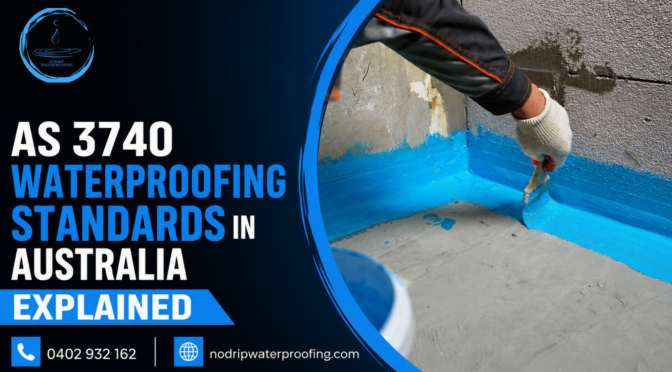
AS 3740 Waterproofing Standards in Australia Explained

Leaky bathrooms and mouldy walls usually trace back to one thing: non-compliant work. The AS 3740 waterproofing standards in Australia set the legal benchmark for wet area membranes in every state, and understanding them protects your reno budget and your health. Here’s what tradies, builders, and homeowners actually need to know.

What Is AS 3740?

AS 3740 is the Australian Standard governing waterproofing of domestic wet areas, including bathrooms, laundries, and ensuites. It’s referenced directly in the National Construction Code (NCC), making it a legal requirement rather than a suggestion.

Why Do the AS 3740 Waterproofing Standards in Australia Matter?

They exist to stop water damage, mould, and structural rot before they start. Councils and insurers rely on this standard to determine whether wet area work is compliant, and non-compliance can void your home insurance claim.

Which Areas Require Compliance?

The standard applies to specific “wet areas” within a home, each with different waterproofing requirements based on risk of water exposure.

Area Waterproofing Requirement
Shower recess (no hob) Entire floor + walls to 1800mm
Shower recess (with hob) Floor + walls to 150mm above hob
Bathroom floor (outside shower) Full floor membrane
Laundry floor Full floor membrane
Walls junctioning with floor Minimum 100mm upturn

What Materials Are Approved Under the Standard?

Only tested, compliant membrane systems can be used to meet AS 3740 requirements — not every product on the shelf qualifies.

  • Liquid-applied membranes (paint-on systems)
  • Sheet membranes
  • Cementitious waterproofing compounds
  • Bonded sheet flooring systems with certified compliance

How Do You Know If a Job Meets AS 3740?

A compliant job comes with a signed waterproofing certificate from a licensed applicator, confirming the product and installation method used.

  1. Check the installer holds a current waterproofing licence
  2. Request the Certificate of Compliance
  3. Confirm product data sheets match what’s certified under AS 3740
  4. Photograph the membrane before tiling covers it (best practice, not mandatory — but smart)

What’s the Waterproofing Cost Australia Homeowners Should Expect?

Pricing varies by state, bathroom size, and membrane type, but most Australian bathrooms fall within a predictable range.

Waterproofing costs in Australia are indicative — always get a written quote referencing AS 3740 compliance specifically.

Why You Shouldn’t DIY Wet Area Waterproofing

In most states, waterproofing is licensed work — meaning DIY jobs can breach building regulations and void insurance. Searching for waterproofing specialists near me or waterproofing experts near me ensures you get a licensed, insured professional who issues proper compliance paperwork.

How to Choose the Right Contractor

Not every plumber or tiler is licensed for membrane work — waterproofing is its own trade specialisation.

  • Ask for their waterproofing licence number
  • Check reviews specific to bathroom/wet area jobs
  • Confirm they follow the AS 3740 waterproofing standards in Australia, not generic practices
  • Get a written warranty (7–10 years is standard for compliant work)

What Happens If a Renovation Isn’t AS 3740 Compliant?

Non-compliant waterproofing can trigger council rectification orders, failed building inspections, and denied insurance claims after water damage occurs. It’s a far more expensive fix later than getting it right the first time.

The Bottom Line

The AS 3740 waterproofing standards in Australia aren’t red tape — they’re what stands between your home and thousands of dollars in hidden water damage. Whether you’re renovating a single ensuite or a full home, compliant waterproofing is non-negotiable.

Ready to Waterproof the Right Way?

Don’t gamble on a leak-prone bathroom. If you’re searching for waterproofing services near me, book a licensed waterproofing specialist like NoDrip Waterproofing today for a free, no-obligation quote — and get your compliance certificate guaranteed under the AS 3740 waterproofing standards in Australia. Call us and get a free quote from our professionals.

FAQs

1. Is AS 3740 legally mandatory in Australia?

Yes, it’s referenced in the National Construction Code and enforced by state building regulations.

2. Do I need a licence to waterproof a bathroom myself?

In most Australian states, wet area waterproofing must be carried out by a licensed applicator.

3. How long does compliant waterproofing last?

Quality membranes installed to AS 3740 standards typically last 15–25 years.

4. Does AS 3740 cover balconies and external areas?

No, external and balcony areas are covered under the separate AS 4654 standard.

5. Can non-compliant waterproofing affect my insurance?

Yes, insurers can reject water damage claims if the original work wasn’t AS 3740 compliant.

Who Can Issue a Waterproofing Certificate That Actually Holds Up in Court?

Waterproofing certificates matter far more than most people realise. Your building’s protection depends on having proper, legitimate documentation. However, not every professional can legally issue these important documents. Understanding who holds the authority to issue them protects your investment completely.

Who Can Issue Valid Waterproofing Certificates?

Only licensed professionals with proper credentials can issue legitimate certificates. These experts possess extensive training and formal building qualifications. They understand building codes, construction standards, and legal requirements thoroughly. Their professional standing ensures certificates are actually court-admissible and legally enforceable.

Recognised Certificate Issuers Include:

  • Certified waterproofing specialists with industry-specific accreditation and training
  • Structural engineers registered with professional engineering bodies officially
  • Building inspectors appointed or licensed by relevant regulatory authorities
  • Third-party certification bodies independently recognised under construction legislation
  • Independent surveying professionals with appropriate credentials and insurance coverage

When you need waterproofing certification, always verify credentials beforehand. Check their professional registration and standing independently. Not every claim of expertise holds actual legal weight in courts.

Professional Qualifications Required for Issuers

Valid certificate issuers must hold specific, verified credentials. Their qualifications include formal training in building construction. They need current, active licenses from regulatory bodies. Their expertise in moisture detection, waterproofing systems, and inspection protocols matters greatly.

Professionals must understand damp testing equipment, leak detection methods, and documentation requirements. They should possess liability insurance for additional protection. Experience in the construction industry demonstrates practical knowledge thoroughly.

What Makes a Certificate Court-Approved?

For waterproofing in Shepparton, courts require detailed, comprehensive inspection reports. The document must include specific findings and clear recommendations. Professional seals, signatures, and dates make documents officially binding. The issuer’s credentials must remain independently verifiable at all times.

A legally enforceable certificate contains detailed technical specifications clearly. It documents exactly what was inspected and tested. Results include photographic evidence and measurement data recorded. Methodology details explain testing procedures and assessment standards used.

Why Third-Party Inspectors Matter

Independent inspectors provide unbiased assessments that courts respect completely. They remain financially neutral regarding construction or repair work. This neutrality makes their waterproofing in Melbourne highly credible. Courts strongly favour reports from completely unaffiliated third parties.

Builders cannot issue their own certificates legally anywhere. This rule prevents obvious conflicts of interest from naturally occurring. For waterproofing in Shepparton, hiring independent professionals protects your interests considerably. Their impartiality strengthens your legal position significantly during disputes.

Understanding Certificate Authority and Limitations

Certificates expire and require periodic renewal for ongoing validity. Building conditions change over time, sometimes substantially. An outdated certificate may no longer provide adequate protection. For waterproofing in Shepparton, updated inspections become necessary over time. Regular professional assessments protect your property and financial investment.

Courts recognise certificates issued by qualified, licensed professionals only. Self-issued documentation holds no legal weight whatsoever. Proper certification requires third-party assessment from recognised authorities. Documentation must follow Australian building standards and relevant guidelines.

Conclusion

Waterproofing certificates from qualified professionals protect your property effectively. They provide legal evidence of proper protection measures undertaken. Getting documentation from authorised experts ensures complete court acceptance. Your investment deserves protection from qualified, certified professionals always.

Don’t risk your property with unqualified inspectors ever. Contact NoDrip Waterproofing today for professional, certified assistance. Call 0402 932 162 or email nodripwaterproofing@hotmail.com for comprehensive solutions. Visit https://nodripwaterproofing.com/ for certified waterproofing documentation and expert guidance.

Frequently Asked Questions

1. Who legally issues waterproofing certificates?

Only licensed professionals, certified inspectors, and registered engineers can issue valid certificates. Third-party certification bodies recognised by law hold this authority.

2. Why can’t builders issue their own certificates?

Builders have a financial interest in construction approval, creating conflicts of interest. Courts require independent assessments from unaffiliated professionals for validity.

3. What qualifications must certificate issuers have?

Issuers need formal building qualifications, current professional licenses, and industry accreditation. Experience in construction and valid liability insurance are essential requirements.

4. How long do waterproofing certificates remain valid?

Certificate validity varies but typically ranges from 5 to 10 years. Building changes require updated inspections and new certification documentation.

5. Do courts accept all professional certificates equally?

No, courts only accept certificates from recognised, licensed professionals. Third-party inspectors hold more credibility than interested builders or contractors.

6. What should a court-approved certificate contain?

Valid certificates include detailed inspection findings, technical specifications, photographs, measurements, and issuer credentials. Professional seals and signatures make documents legally binding.

7. Are international certificates accepted in Australian courts?

Australian courts prefer documentation following local building standards and regulations. International certificates require specific authentication and may need local professional verification.

8. Can I dispute a waterproofing certificate in court?

Yes, you can challenge certificates by questioning issuer qualifications or inspection methodology. Independent re-inspection by another qualified professional strengthens your dispute.

9. What testing methods do professionals use for certification?

 Professionals use moisture metres, water spray testing, thermal imaging, and dye penetration techniques. Methods vary depending on building type and waterproofing systems used.

10. How much should waterproofing certificates cost?

Costs vary considerably based on property size and complexity requirements. Always compare quotes from multiple qualified professionals before deciding.