
Category Archives: Bathrooms Waterproofing

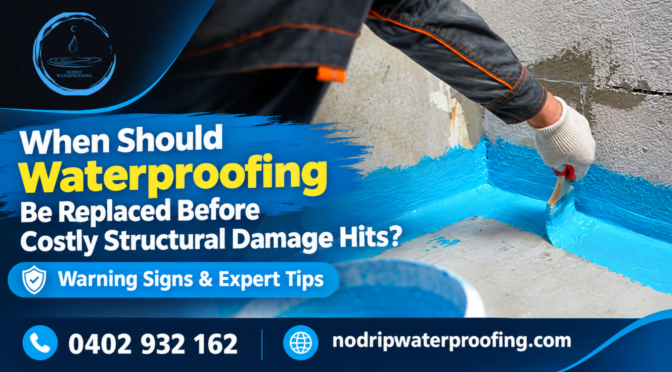
When Should Waterproofing Be Replaced Before Costly Structural Damage Hits? Warning Signs & Expert Tips

Water damage costs Australian homeowners thousands yearly. Failing waterproofing systems can destroy foundations quickly and expensively. Early detection prevents costly structural repairs down the road. Understanding water infiltration symptoms helps property owners act fast.

Why Waterproofing Replacement Matters

Waterproofing protects buildings from moisture damage and structural deterioration. Ignoring warning signs leads to expensive restoration work later. Bathroom waterproofing in Melbourne requires proper maintenance and timely replacement. Damaged systems allow water into walls, foundations, and substructures permanently.

Key Warning Signs Your Waterproofing Needs Replacement

Visual Damage Indicators

  • Water stains on ceilings and walls inside
  • Peeling paint or wallpaper in damp areas
  • Visible cracks in concrete or brick structures
  • Mould and mildew growth on interior surfaces
  • Discolouration patterns appearing on exterior walls

Structural Warning Signals

Efflorescence (white salt deposits) indicates water passing through structures. Balcony waterproofing in Melbourne can start showing problems when caulking separates visibly. Soft or spongy flooring suggests water damage beneath surfaces. Rust stains typically mean corroded reinforcement bars inside concrete.

Moisture-Related Problems

Musty odours signal ongoing dampness in enclosed spaces. Persistent moisture issues worsen during heavy rainfall or storms. Condensation appearing constantly indicates failed moisture barrier protection systems. Basement walls weeping means waterproofing has failed completely.

When to Replace Waterproofing: Timeline Guide

Roof waterproofing in Melbourne typically lasts ten to fifteen years. Most liquid membrane coatings need replacement after twelve to eighteen years. Basement waterproofing in Melbourne may require replacement after fifteen to twenty years. Professional inspection every five years prevents unexpected failures.

Expert Tips for Waterproofing Maintenance

Regular Inspection Practices

Inspect waterproofing during spring and autumn seasons. Check gutters, downpipes, and drainage systems monthly. Examine caulking around windows, doors, and joints regularly. Professional assessments identify hidden problems before major damage occurs.

Preventative Maintenance Steps

  • Clear debris from gutters and drainage areas
  • Ensure proper grading slopes water away from structures
  • Maintain sealants and caulking around openings
  • Install or repair flashing where needed

Choosing the Right Waterproofing Contractors in Melbourne

Expert contractors assess your specific situation accurately. They identify failing systems requiring immediate attention. Commercial waterproofing in Melbourne demands specialised knowledge and quality materials. Professional waterproofing assessments prevent costly guesswork and errors.

Understanding Different Waterproofing Systems

Membrane-Based Solutions

Flexible membranes adapt to building movement and settling. Residential waterproofing in Melbourne often uses sheet membranes or coatings. These systems last longer when professionally installed. Quality materials provide superior long-term protection.

Coating-Based Protection

Liquid coatings fill cracks and small imperfections. They work well for existing structures needing upgrades. Elastomeric waterproofing coatings expand and contract with temperature changes. Cost-effective solutions offer decent short- to medium-term protection.

The Importance of Professional Expertise

Waterproofing experts in Melbourne bring years of specialised training. They understand building codes and compliance requirements thoroughly. Professionals use quality materials tested for durability. DIY solutions rarely match professional-grade protection standards.

Conclusion

Don’t wait for water damage to become obvious. Addressing waterproofing deterioration early saves thousands in repairs. Protect your investment by scheduling professional inspections regularly.

Contact NoDrip Waterproofing today for expert assessment and solutions. Call 0402 932 162 or email nodripwaterproofing@hotmail.com. Visit https://nodripwaterproofing.com/ for comprehensive waterproofing services. Your property’s protection starts with one call.

Frequently Asked Questions

1. How often should I inspect my waterproofing system?

Professional inspections every five years identify emerging problems early. Annual visual checks help catch obvious damage quickly.

2. Can waterproofing problems worsen quickly?

Yes, water damage accelerates significantly after an initial breach occurs. Prompt action prevents exponential structural deterioration and costs.

3. What’s the average lifespan of modern waterproofing?

Quality systems typically last twelve to twenty years. Lifespan depends on materials used and climate conditions.

4. Are water stains always signs of failed waterproofing?

Not always, but they indicate moisture is penetrating somewhere. A professional assessment determines if waterproofing replacement is necessary.

5. Can I repair waterproofing myself?

Minor caulking maintenance is possible for homeowners. Major repairs require professional contractors with proper equipment.

6. How much does waterproofing replacement typically cost?

Costs vary significantly based on area and system type. Professional quotes provide accurate pricing for your specific situation.

7. What causes waterproofing to fail prematurely?

Poor installation, inadequate materials, and lack of maintenance cause waterproofing systems to fail. Environmental stress and settling also accelerate deterioration.

8. Is waterproofing different for different building areas?

Yes, different areas require specialised waterproofing solutions and approaches. Bathrooms, basements, and balconies need distinct protection systems.

9. Should I replace all waterproofing at once?

Depends on inspection results and budget considerations. Prioritise areas showing the most damage first.

10. How do I know if I need professional waterproofing help?

Persistent moisture, mould growth, or visible damage warrant professional assessment. When in doubt, get expert opinions before damage worsens.
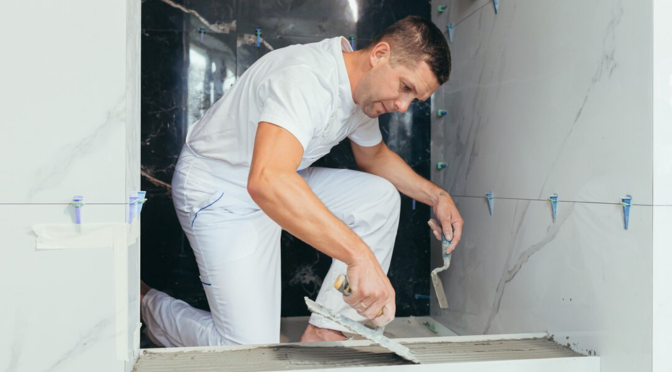
5 Signs You Shouldn’t DIY and Get a Professional Bathroom Waterproofing Service

Thinking of DIY? Here’s the reality check!

A bathroom renovation can feel like the perfect weekend project, until it isn’t. Waterproofing isn’t just another step; it’s the foundation that protects your home from costly damage. When it comes to bathrooms waterproofing in Shepparton, a small mistake today can turn into major repairs tomorrow. So how do you know when it’s time to put down the tools and call in the experts?

Let’s break it down.

Persistent Dampness or Musty Smells

If your bathroom always feels damp — even hours after a shower — that’s a red flag.

  • Lingering moisture often means water is seeping beneath tiles
  • Musty odours can signal mould growth behind walls
  • Surface fixes won’t solve deeper waterproofing issues

DIY solutions rarely address the root cause. This is where a waterproofing service in Shepparton can properly diagnose and fix the issue before it escalates.

Cracked Tiles or Grout That Won’t Stay Put

Cracks aren’t just cosmetic; they’re entry points for water.

  • Water slips through even the smallest gaps
  • Grout repairs may only offer temporary relief
  • Structural damage can develop underneath

Choosing the best waterproofing membrane for bathrooms is crucial, but applying it correctly requires skill and precision. That’s why experienced waterproofing specialists in Shepparton are worth the investment.

Water Leaks in Adjacent Rooms

Noticing damp patches on nearby walls or ceilings? That’s your bathroom telling you something’s wrong.

  • Water can travel far beyond the source
  • Paint bubbling or peeling is a common warning sign
  • Delayed action leads to higher repair costs

At this stage, DIY isn’t just risky; it’s ineffective. Reliable bathrooms waterproofing in Shepparton ensures the problem is contained and fully resolved.

You’re Unsure About Compliance or Standards

Waterproofing isn’t just about sealing surfaces; it must meet Australian standards.

  • Incorrect application can void warranties
  • Non-compliance may affect property value
  • Insurance claims can be rejected if work isn’t certified

A licensed waterproofing service in Shepparton ensures everything is done by the book, giving you peace of mind and long-term protection.

You Keep Searching for “Fixes” Instead of Solutions

If you’ve found yourself Googling “quick waterproofing hacks” or “temporary fixes”, it’s time to pause.

  • DIY fixes often mask the real issue
  • Repeated repairs cost more over time
  • Proper waterproofing is a one-time investment done right

Instead of trial and error, searching for “professional bathroom waterproofing services near me” connects you with experts who deliver lasting results. Skilled waterproofing specialists in Shepparton don’t just fix problems; they prevent them.

Why Professional Waterproofing Always Wins

Waterproofing is one of those tasks where precision matters more than effort. From selecting the best waterproofing membrane for bathrooms to ensuring flawless application, professionals bring expertise that DIY simply can’t match.

Here’s what you get when you go pro:

  • Long-lasting protection against leaks and mould
  • Compliance with Australian building standards
  • High-quality materials and workmanship
  • Peace of mind knowing it’s done right the first time

When it comes to bathrooms waterproofing in Shepparton, cutting corners is never worth the risk.

Don’t Wait for the Damage to Spread!
Call the Experts at NoDrip Waterproofing

If any of these signs sound familiar, it’s time to act. Let NoDrip Waterproofing take the stress out of your project with expert solutions that last. Call 0402 932 162 today and secure reliable, hassle-free waterproofing you can trust!

Frequently Asked Questions

Can waterproofing fail even if tiles look perfectly fine?

Yes, tiles are not waterproof by themselves. If the membrane underneath fails, water can seep through unnoticed and cause hidden structural damage.

Is it possible to waterproof only one section of a bathroom?

In some cases, yes, but partial fixes often lead to inconsistent protection. For long-term results, bathrooms waterproofing in Shepparton is best handled as a complete system rather than isolated patches.

Does the type of shower you use affect waterproofing performance?

Absolutely. High-pressure showers or rainfall heads can increase water exposure, making proper membrane application even more critical.

Can poor ventilation impact waterproofing effectiveness?

Yes, excessive humidity can weaken surfaces over time and contribute to mould growth. A professional waterproofing service in Shepparton often considers ventilation as part of a complete solution.

Are older homes more prone to waterproofing issues?

They can be. Older properties may have outdated materials or degraded membranes that no longer provide adequate protection.

How do professionals handle tricky areas like corners and joints?

These are the most vulnerable spots. Skilled waterproofing specialists in Shepparton use specialised techniques and reinforcement methods to ensure these areas are fully sealed.

Can waterproofing be done in cold or humid weather?

It depends on the product used. Some membranes require specific temperature and humidity conditions to cure properly, which professionals carefully manage.

Is DIY waterproofing ever acceptable for small repairs?

Minor touch-ups might seem manageable, but they rarely last. For reliable outcomes, a waterproofing service in Shepparton ensures proper preparation, application, and compliance.

Can waterproofing help with soundproofing in bathrooms?

Interestingly, some waterproofing systems can slightly reduce sound transmission, though they’re not designed as a primary soundproofing solution.

What happens if waterproofing is applied too thick or too thin?

Both can cause failure. Too thin, and it won’t seal properly; too thick, and it may not cure correctly, leading to cracks or peeling over time.