


Humidity and moisture infiltration represent some of the most damaging threats to any building structure. When water seeps through walls, it creates an environment where mould thrives, and structural integrity weakens. Moisture barriers installed internally act as a shield against these persistent problems. Understanding how internal waterproofing works can save your property from costly damage repairs.
What Is Internal Waterproofing?
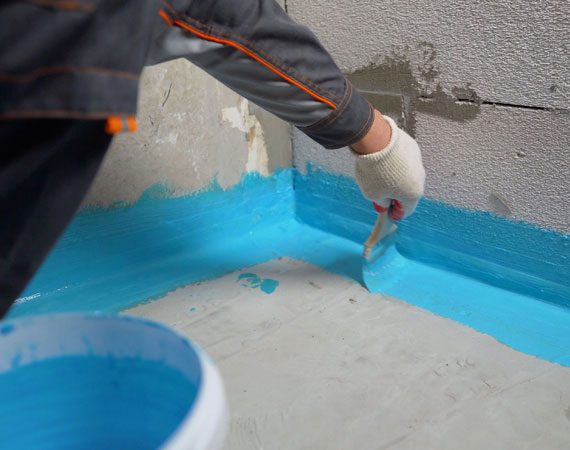
Internal waterproofing involves applying protective coatings and membranes from inside your building. These systems prevent water from entering through walls and foundations. Damp-proofing methods work by creating a continuous barrier against moisture penetration. This approach protects both your interior spaces and structural elements from water damage.
How It Protects Against Humidity
Moisture Prevention Through Barriers
Waterproofing specialists in Shepparton recommend internal membranes for controlling humidity levels effectively. These barriers stop condensation from forming on walls and ceilings. Vapour barriers reduce the amount of moisture that enters living spaces. The result is a healthier indoor environment with lower humidity levels.
Key Protection Mechanisms
- Stops water from seeping through concrete and brick walls
- Prevents moisture accumulation in cavity spaces
- Reduces mould growth in bathrooms and kitchens
- Protects insulation from becoming saturated with water
- Keeps structural materials dry and stable
Why Humidity Control Matters
Excess humidity creates serious problems for any property owner. High moisture levels cause wallpaper to peel and paint to bubble quickly. Wooden structures begin to rot when exposed to prolonged dampness. Specialists of wet areas waterproofing in Melbourne emphasise prevention rather than repair costs.
Internal vs External Waterproofing
Both approaches serve important purposes in protecting buildings. External systems stop water at the source before entry occurs. Internal systems manage moisture that has already penetrated the structure. Combined strategies offer the most comprehensive protection against humidity damage. Waterproofing contractors in Melbourne often recommend a layered defence system approach.
Installation and Maintenance
Proper installation is critical for effective moisture protection and longevity. Internal waterproofing in Melbourne requires skilled application of membranes and sealants. Regular inspections help identify weak points before problems develop. Maintaining these systems extends their protective lifespan significantly.
Maintenance Tips
- Check seals around pipes and penetrations regularly
- Look for signs of water staining on ceilings
- Ensure ventilation systems function properly daily
- Apply refresher coatings every five to ten years
Benefits of Internal Waterproofing
Protecting your building from humidity delivers numerous advantages. You’ll enjoy improved air quality throughout all interior spaces. Energy bills decrease when moisture isn’t forcing your climate system harder. Property value increases as structural integrity remains sound and protected. Residents experience greater comfort in drier, healthier indoor environments overall.
Conclusion
Internal waterproofing is essential for maintaining healthy, durable building structures today. Humidity and moisture damage cost thousands in repairs without proper prevention measures. Protecting your property with internal waterproofing systems offers long-term security and comfort. Don’t let moisture damage compromise your investment any longer.
Contact NoDrip Waterproofing now for professional assessment and solutions. Call us on 0402 932 162 or email nodripwaterproofing@hotmail.com. Visit our website at https://nodripwaterproofing.com/ for more information about protecting your property.
Frequently Asked Questions
1. What’s the difference between waterproofing and damp-proofing?
Waterproofing completely prevents water penetration through thick membranes and coatings. Damp-proofing reduces moisture passage through materials like brick and concrete. Waterproofing offers stronger protection for areas with heavy water exposure daily.
2. Can internal waterproofing fix existing moisture problems?
Yes, internal waterproofing can stop ongoing moisture issues in affected areas. It prevents further water penetration and allows existing dampness to gradually dry. Professional assessment determines the best treatment approach for your specific situation.
3. How long does internal waterproofing last typically?
Quality internal waterproofing systems typically last fifteen to twenty years effectively. Durability depends on proper installation, maintenance, and environmental conditions experienced. Regular inspections help extend protection by identifying and addressing issues early.
4. Is internal waterproofing suitable for all building types?
Internal waterproofing works effectively on residential, commercial, and industrial properties. Bathrooms, kitchens, basements, and wet areas benefit significantly from protection. Assessment by specialists determines the most appropriate system for your structure.
5. What causes interior humidity issues in buildings?
Water seeping through walls, poor ventilation, and condensation create humidity. Leaking pipes and inadequate drainage systems contribute to excessive moisture levels. Climate conditions and building age also influence how much moisture accumulates indoors.
6. Can I apply internal waterproofing myself?
Professional installation ensures proper application, and maximum protection effectiveness is achieved. DIY attempts often result in incomplete coverage and reduced performance over time. Specialists have the proper tools, materials, and expertise for optimal results guaranteed.
7. How much does internal waterproofing cost typically?
Costs vary based on area size, damage severity, and system complexity. Professional quotes consider specific requirements and the chosen waterproofing methods available. Investment in prevention saves significantly compared to repairing moisture damage later.
8. Will waterproofing affect interior decoration or appearance?
Modern waterproofing systems can be applied under flooring, paint, and finishes. Some visible sealants require aesthetic consideration during design planning stages. Specialists work with you to minimise visual impact whilst maximising protection levels.
9. How quickly does internal waterproofing prevent humidity problems?
Effective systems reduce humidity levels noticeably within days or weeks, typically. Improvement speed depends on the extent of initial moisture damage present. Complete environmental stabilisation may take several months for severely affected areas.
10. What signs indicate my building needs internal waterproofing?
Look for water stains, peeling paint, musty odours, and visible mould growth. Dampness on walls, efflorescence, and warped materials suggest moisture problems exist. Professional inspection confirms whether internal waterproofing is necessary for protection.


