


Water damage in bathrooms can cost thousands in repairs and create hazardous mould growth. Proper sealing creates an essential barrier against moisture infiltration and structural deterioration. Understanding how tiles and caulking work together protects your investment and maintains bathroom integrity.
This comprehensive guide reveals how effective waterproofing safeguards your home from costly water-related problems.
How Tiles Create Your First Defence Line?
Quality bathroom tiles form the primary protective layer against water exposure. Properly installed tiles prevent moisture from reaching underlying surfaces and structural elements. However, tiles alone cannot provide complete waterproofing without proper sealing between joints. Silicon sealants in Melbourne professionals ensure tiles work effectively within comprehensive waterproofing systems.
Grout between tiles requires additional protection as it’s naturally porous. Without proper sealing, water seeps through grout lines gradually. This infiltration causes hidden damage behind walls and under flooring.
Silicon Caulking: The Unsung Waterproofing Hero
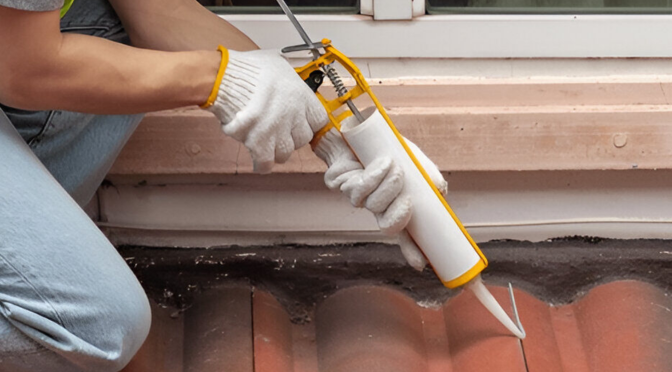
Waterproof silicone sealing fills gaps where tiles meet fixtures, corners, and edges. These vulnerable points are prime entry spots for water penetration. Caulking creates flexible, watertight seals that accommodate natural building movements. Bathroom caulking in Melbourne is applied by experts using professional-grade materials for long-lasting protection.
Key Areas Requiring Caulking:
- Shower screen edges and frames
- Bathtub perimeters and corners
- Sink and basin surrounds
- Toilet base connections
- Wall and floor junctions
The Science Behind Effective Water Barriers
How Silicon Prevents Moisture Infiltration?
| Component | Protection Level | Lifespan |
| Ceramic tiles | High surface protection | 15-20 years |
| Silicon caulking | Joint waterproofing | 5-10 years |
| Grout sealer | Porous area protection | 1-2 years |
| Membrane | Substrate waterproofing | 10-15 years |
Tile and silicon caulking in Melbourne services combine these elements for comprehensive water damage prevention. Silicone caulking experts understand how different materials interact to create effective barriers.
Silicon remains flexible, unlike rigid grout, preventing cracks from building up. This flexibility maintains watertight seals even as structures shift slightly. Durable silicone sealant work withstands daily moisture exposure and temperature fluctuations.
Warning Signs Your Caulking Needs Replacement
Deteriorating caulking compromises your bathroom’s water resistance significantly. Cracked, discoloured, or peeling silicon allows water infiltration immediately. Musty odours indicate moisture has breached protective barriers already. Professional caulking service providers identify and rectify these issues promptly.
Red Flags to Watch:
- Visible gaps between caulking and surfaces
- Mould or mildew growth along seams
- Soft or spongy flooring near fixtures
- Water staining on walls or ceilings below
Maintenance Keeps Protection Strong
Regular inspection extends your waterproofing system’s effectiveness considerably. Clean caulked areas monthly with mild cleaners to prevent mould buildup. Address minor caulking damage before it escalates into major problems. Anti-leak sealing solutions require proactive maintenance for optimal performance.
Window silicone sealing and bathroom applications need similar attention and care. Proper ventilation reduces moisture accumulation that degrades sealants over time. Weatherproof joint sealing performs better in well-ventilated spaces consistently.
Professional Application Makes All the Difference
DIY caulking often creates gaps that allow water penetration eventually. Leak-proof caulking service professionals use proper surface preparation and application techniques. They select appropriate silicon grades for specific bathroom applications and conditions. Expert installation ensures maximum protection and longevity of waterproofing systems.
Protect Your Bathroom Investment Now
Don’t wait until water damage becomes visible and expensive. Schedule a professional inspection of your bathroom’s waterproofing today. Expert caulking services provide peace of mind and long-term protection. Contact qualified professionals specialising in bathroom caulking in Melbourne, like NoDrip Waterproofing, to assess and enhance your bathroom’s defences. Call 402932162 for a free quote.
Frequently Asked Questions
1. How often should bathroom silicon caulking be replaced?
Typically, every 5–10 years, depending on usage and maintenance. Inspect annually for signs of deterioration or damage.
2. Can I apply new caulking over old silicon?
No, old caulking must be completely removed first. New silicon won’t adhere properly over existing layers.
3. What’s the difference between silicon and acrylic caulking?
Silicon offers superior water resistance and flexibility. Acrylic caulking is paintable but less durable in wet areas.
4. Why does bathroom caulking turn black?
Mould growth causes discolouration due to constant moisture exposure. Proper ventilation and regular cleaning prevent this issue.
5. How long does silicon caulking take to cure?
Surface curing occurs within 24 hours, typically. Full cure requires 48–72 hours before water exposure.


