

Water damage poses one of the most significant threats to building longevity and safety worldwide. Structural deterioration from moisture exposure costs property owners billions annually. Traditional waterproofing methods often fail within years, requiring costly repairs. Silicon waterproofing in Melbourne and beyond offers a modern, durable solution to this persistent problem.
What Causes Water-Related Structural Damage?
Water infiltration damages buildings through several destructive mechanisms:
- Foundation erosion weakens concrete and brick foundations over time
- Mould growth creates health hazards and compromises indoor air quality
- Rust formation corrodes metal reinforcements within structural elements
- Wood rot destroys timber components and load-bearing walls
- Efflorescence appears as white stains, indicating internal moisture problems
How Silicon Waterproofing Works
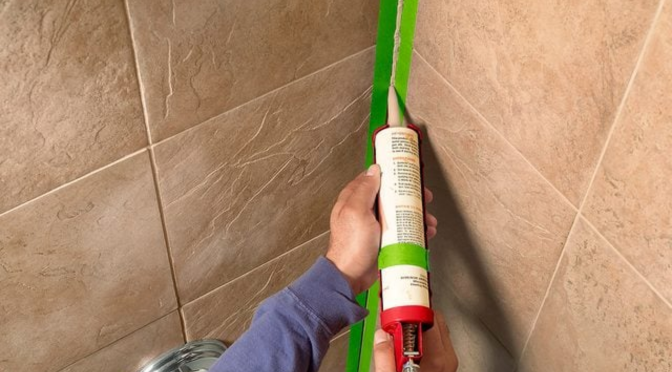
Silicon caulking in Melbourne functions as a protective barrier against water ingress. This material creates seamless seals in vulnerable areas. It adapts to temperature changes without cracking or splitting. The flexibility prevents gaps where water might penetrate building structures.
Silicon-based solutions bond chemically to surfaces, unlike older caulking methods. This adhesion remains effective even after decades of environmental exposure. The material resists UV radiation and extreme weather conditions effectively.
Benefits of Silicon-Based Waterproofing Solutions
Long-Lasting Protection
Silicon waterproofing maintains integrity for fifteen to twenty-five years, typically. Regular inspection ensures optimal performance throughout the lifespan. Minimal maintenance requirements reduce ongoing property management costs significantly.
Versatile Application
Silicon sealants in Melbourne work on various surfaces and materials. They are compatible with concrete, masonry, metal, and timber substrates. They’re also suitable for both internal and external waterproofing applications effectively.
Cost-Effective Investment
Preventing water damage costs far less than structural repairs afterwards. Early intervention avoids expensive restoration work and replacement materials. Property value protection provides significant financial benefits over time.
Common Areas Requiring Silicon Waterproofing
Effective moisture barrier installation protects these vulnerable building zones:
- Window and door frames prone to water seepage
- Roof penetrations where pipes and vents pass through
- Foundation cracks allowing groundwater infiltration
- Joint gaps between concrete and brick components
- Balcony transitions where water collects frequently
Professional Application Matters
Proper installation of silicon waterproofing in Melbourne determines waterproofing effectiveness and durability. Surface preparation must remove dirt, dust, and old sealant. Temperature and humidity conditions during application affect adhesion quality. A professional application ensures correct depth and coverage throughout.
Addressing Common Misconceptions
Many property owners believe silicon waterproofing is temporary. Quality solutions provide two-decade protection when properly installed. Some think the application is simple — the correct technique requires professional expertise. Others assume cost is prohibitive — prevention costs less than damage repair.
The Science Behind Silicon Waterproofing Effectiveness
Silicon-based materials create hydrophobic surfaces that repel water molecules. Molecular structure prevents water penetration whilst allowing vapour transmission. This breathability prevents moisture accumulation inside wall cavities. Chemical resistance ensures longevity in harsh environmental conditions.
Conclusion
Silicon waterproofing represents a scientifically proven solution for structural protection. Implementing these barriers prevents costly water damage and extends the building’s lifespan.
Don’t wait for visible damage to occur — protect your property today. Contact NoDrip Waterproofing for expert guidance and professional installation services. Call 0402 932 162 or email nodripwaterproofing@hotmail.com for a consultation. Visit https://nodripwaterproofing.com/ to learn more about comprehensive waterproofing solutions.
Frequently Asked Questions
1. How long does silicon waterproofing typically last?
Quality silicon waterproofing lasts fifteen to twenty-five years with proper installation and maintenance. Regular inspections help identify any deterioration early for timely repairs.
2. Can silicon waterproofing be applied to any surface?
Yes, silicon sealants work effectively on concrete, timber, metal, and masonry. Surface preparation is essential for optimal adhesion and long-term performance.
3. Is silicon waterproofing environmentally friendly?
Modern silicon waterproofing products are low in volatile organic compounds. They’re safe for indoor use and don’t significantly impact environmental quality.
4. What’s the difference between silicon caulk and other sealants?
Silicon caulk offers superior flexibility, durability, and UV resistance compared to acrylic alternatives. It maintains effectiveness across broader temperature ranges throughout seasons.
5. Can I apply silicon waterproofing myself?
Professional application ensures proper coverage, depth, and surface preparation techniques. A DIY application often results in poor adhesion and shortened lifespan.
6. How soon after application can water exposure occur?
Most silicon products require twenty-four to forty-eight hours for full cure. Manufacturer instructions should always guide specific timelines for complete hardening.
7. What signs indicate silicon waterproofing failure?
Look for water stains, mould growth, or visible gaps in sealant lines. Peeling or separation from surfaces also indicates deterioration requiring professional attention.
8. Is silicon waterproofing suitable for basements?
Yes, silicon waterproofing effectively prevents groundwater infiltration in basements. Combined with drainage solutions, it provides comprehensive moisture protection.
9. Can existing water damage be repaired with silicon waterproofing?
Silicon waterproofing prevents future damage but doesn’t repair existing deterioration. Structural damage must be professionally assessed and remediated separately first.
10. What maintenance is required for silicon waterproofing?
Annual inspections and gentle cleaning maintain performance effectively. Avoid harsh chemicals that might degrade the silicon material over time.