Wet Room Waterproofing: How to Protect Floors, Walls, and Drains

Water doesn’t ask permission before it finds a gap. Proper bathroom waterproofing is the only real defence against rot, mould and structural damage in wet areas. This guide breaks down what wet room waterproofing actually involves and why skipping it costs far more than doing it right.

What Is Wet Room Waterproofing?

Wet room waterproofing is the process of applying a continuous waterproof membrane across floors, walls and drain penetrations to stop moisture migrating into the substrate. It’s governed in Australia by AS 3740, the national standard for waterproofing wet areas in residential buildings.

Why Does Bathroom Leak Prevention Matter So Much?

Bathroom leak prevention stops hidden water damage before it becomes a structural or health problem. Even a small, unseen leak behind tiles can rot timber framing, ruin plasterboard and trigger mould growth within weeks.

Common consequences of poor waterproofing:

  • Swollen or delaminating floorboards
  • Mould and mildew on ceilings below
  • Tile grout cracking and lifting
  • Costly insurance disputes over “gradual damage”
  • Reduced property resale value

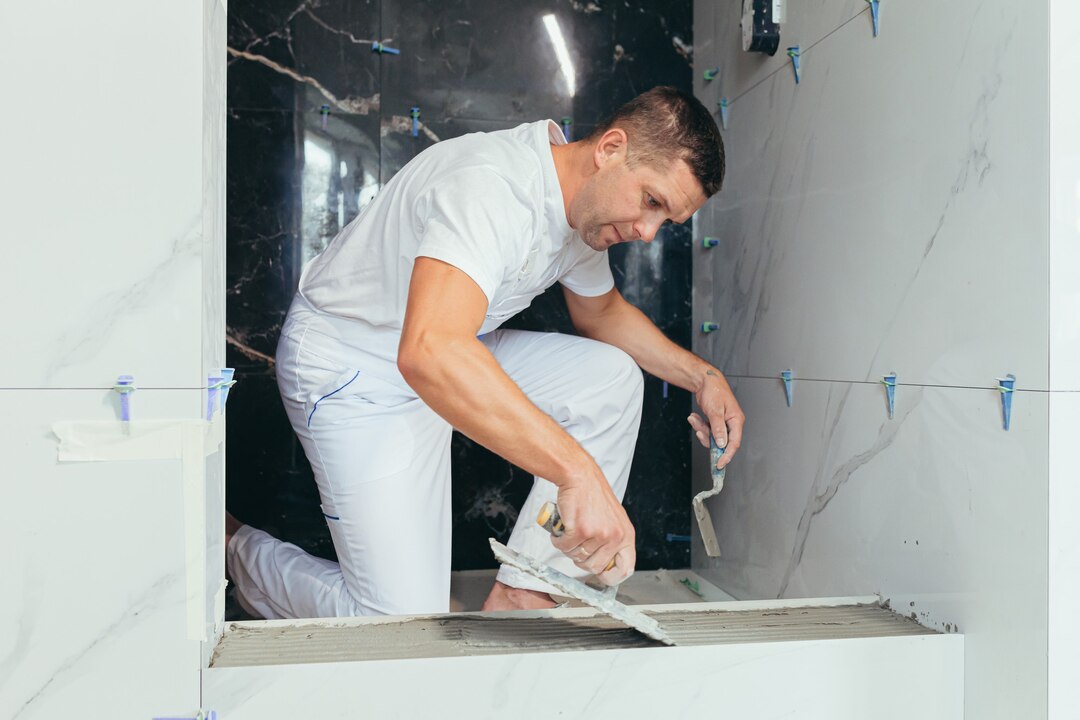
Bathroom Waterproofing Shepparton for wet area sealing

How Does Shower Waterproofing Work?

Shower waterproofing targets the highest-risk zone in any bathroom, the shower recess and surrounding walls. It typically involves membrane application to a minimum height and full floor coverage within the shower area.

Key shower recess requirements (per AS 3740):

Area Minimum Waterproofing Height
Shower walls (inside recess) Full height to ceiling
Walls outside recess, no hob 1800mm from floor
Walls outside recess, with hob 150mm above hob
Floor junctions and corners Full membrane coverage

What Makes Wet Room Waterproofing Different from a Standard Bathroom?

A wet room has no shower screen or hob, meaning the entire floor is exposed to water. Wet room waterproofing therefore demands full-floor membrane coverage, not just the shower zone, plus precise floor gradient waterproofing to direct water towards the drain.

How Is Bathroom Membrane Installation Done Correctly?

Bathroom membrane installation follows a strict sequence to guarantee a watertight seal before any tiling begins.

  1. Surface preparation and substrate cleaning
  2. Priming the substrate for membrane adhesion
  3. Applying waterproofing to internal corners and shower recess waterproofing junctions
  4. Sealing drain outlets and pipe penetrations with drain flashing collars
  5. Two full membrane coats, cured per manufacturer specs
  6. Flood testing before tiling commences

Skipping the flood test is one of the most common (and expensive) shortcuts taken on site.
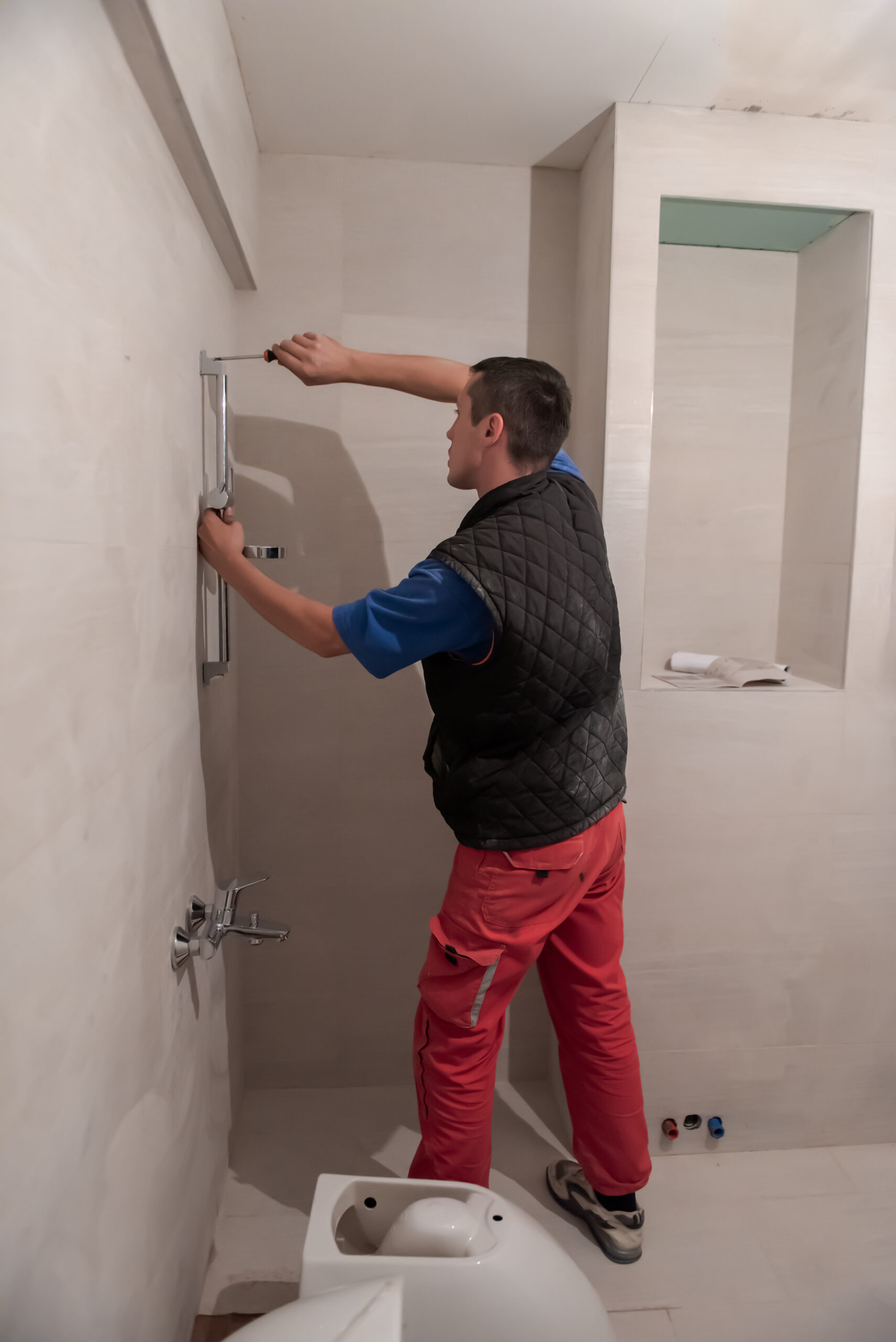
Expert Bathroom Waterproofing Shepparton solutions

Why Hire a Bathroom Waterproofing Contractor Instead of DIY?

A qualified bathroom waterproofing contractor understands Australian compliance codes, membrane compatibility and drain detailing that DIY kits often miss. Waterproofing failures are rarely visible until months later, by which time tiles need removing to fix the root cause.

What Do Bathroom Sealing Services Actually Cover?

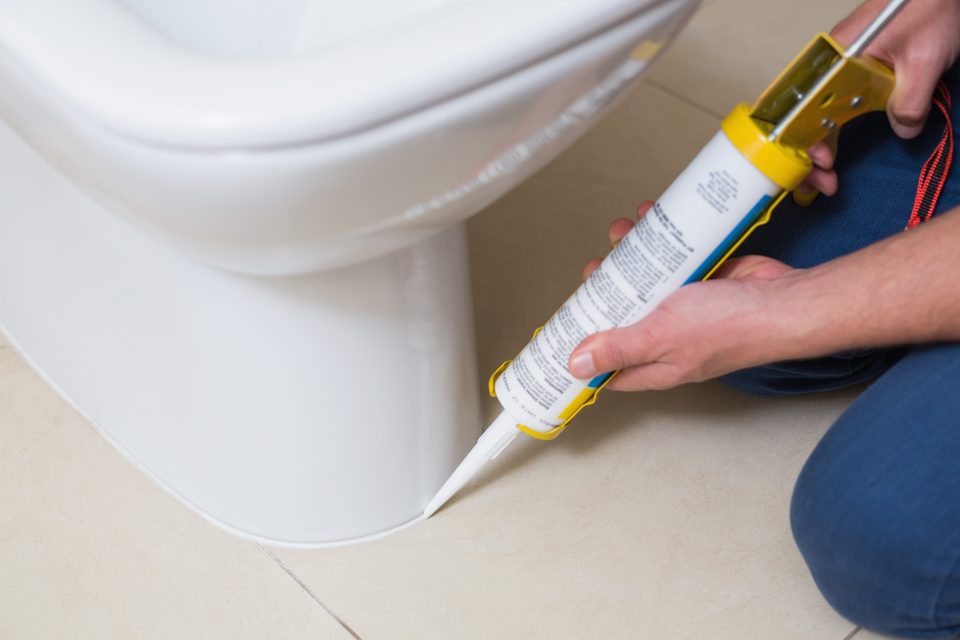
Bathroom sealing services go beyond membranes; they include silicone joint sealing, grout sealing and tile and grout sealing around baths, vanities, and drain edges to close off secondary water entry points.

How Do I Choose Bathroom Waterproofing Specialists?

Look for bathroom waterproofing specialists who provide a compliance certificate, offer a workmanship warranty and use CodeMark or Watermark-approved membrane systems.

Checklist before hiring:

  • Current licensing and insurance
  • AS 3740 compliance certificate on completion
  • Written warranty (minimum 7 years structural)
  • Local reviews and completed project photos
  • Clear quote covering shower recess waterproofing cost

Ready to Waterproof Your Bathroom the Right Way?

Don’t wait for a leak to tell you something’s wrong. Call NoDrip Waterproofing today on 402932162 or email Turgut.Sakir90@hotmail.com for a free compliance inspection and quote.

Frequently Asked Questions

  1. How long does bathroom waterproofing last?
    A properly installed membrane typically lasts the life of the building if undisturbed by renovations.
  2. Can I tile straight after waterproofing?
    No, membranes need full curing time (usually 24 to 72 hours) before tiling begins.
  3. Is waterproofing required by law in Australia?
    Yes, AS 3740 compliance is mandatory for all new bathroom and wet area construction.
  4. What’s the average cost of wet room waterproofing in Australia?
    Costs generally range from $50 to $80 per square metre depending on access and membrane type.
  5. How do I know if my bathroom already has a leak?
    Watch for bubbling paint, musty smells or dark stains on ceilings below the bathroom.
Pre-Sale Property Makeovers: Why Fresh Bathroom Caulking Helps Improve Buyer Appeal in Melbourne

Selling your property soon? Bathroom condition significantly impacts buyer decisions. Professional caulking catches every buyer’s eye instantly. A fresh, well-sealed bathroom demonstrates excellent maintenance.

The First Impression Matters

Your bathroom receives multiple viewings during inspections. Cracked or discoloured caulking signals poor upkeep immediately. Buyers often worry about hidden water damage problems. Fresh bathroom caulking in Melbourne improvements clearly show responsible home ownership and can reduce concerns during inspections.

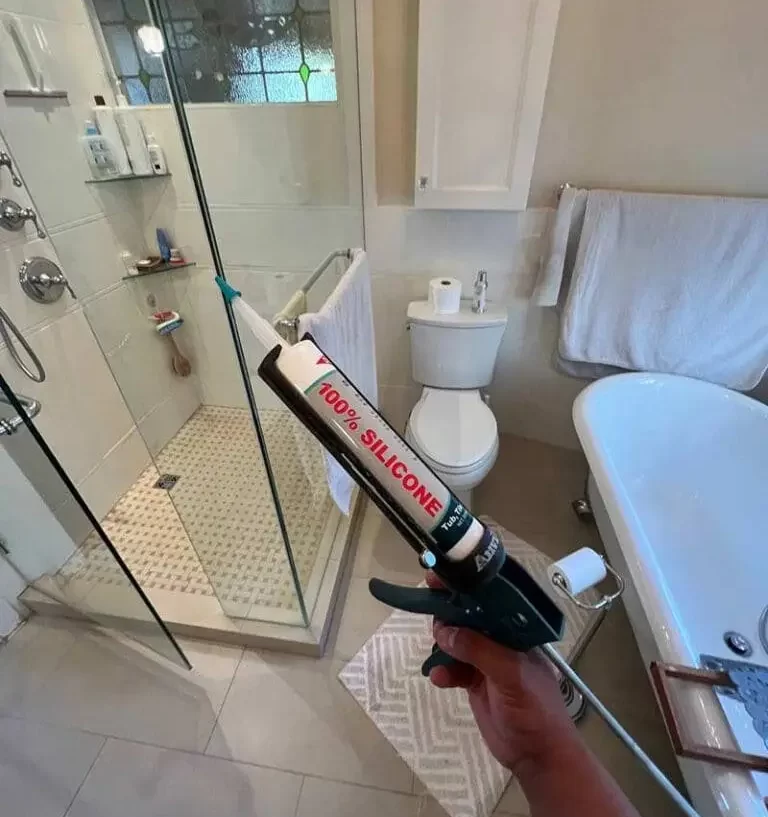
Reliable Bathroom Caulking Melbourne services

Why Fresh Caulking Transforms Bathrooms

Key Benefits:

  • Prevents water damage and helps reduce the risk of mould growth effectively
  • Creates a clean, modern appearance instantly
  • Supports better presentation that can positively influence buyer perception and offers
  • Extends bathroom fixture lifespan considerably

Fresh caulking protects your bathroom from moisture damage. Water damage prevention begins with proper, quality sealing. Mould growth risk is substantially reduced with sealed areas. Property inspectors specifically examine caulking during assessments.

Understanding Silicone Sealants

Quality silicone sealants in Melbourne provide superior water protection. These sealants resist moisture, mould, and constant exposure. They typically maintain appearance for five to ten years with proper application. Professional installation ensures lasting waterproofing results.

Silicone outperforms traditional caulking materials significantly. It remains flexible despite temperature and humidity changes. Buyers recognise premium materials and quality workmanship immediately.

Don’t Overlook External Waterproofing

External areas require the same attention as interiors. Exterior silicone caulking in Melbourne prevents weather infiltration effectively. Rain and moisture cause expensive structural damage. Buyers appreciate comprehensive waterproofing solutions throughout homes.

External caulking protects foundations, windows, and drainage areas. Proper sealing prevents costly repairs after property sale. Weather-damaged homes command lower prices in the market.

Professional Application Makes All the Difference

DIY caulking often appears unprofessional and fails quickly. Expert installers ensure proper surface preparation always. They use correct techniques for superior longevity. Quality workmanship helps present your property in the best light.

Professional teams provide warranties on their completed work. Poor application wastes money and creates problems. Inspectors immediately notice amateur versus expert installation quality.

Property Inspection Success Through Maintenance

Home improvement investments protect properties throughout their lifespan. Fresh bathroom caulking in Melbourne helps prevent buyer repair negotiations. Inspector reports highlight well-maintained bathrooms very positively. Excellent maintenance records can support stronger asking prices.

Inspection failures over caulking issues can complicate deals. Buyers request repair allowances if issues exist. Professional preparation prevents these negotiation complications entirely.

Bathroom Caulking Melbourne for watertight bathrooms

Protecting Against Moisture and Mould

Moisture penetration causes serious damage over time. Proper moisture protection through quality caulking proves essential. Bathrooms experience constant dampness from daily use. Sealed areas help prevent fungal growth and deterioration.

Mould poses health risks and aesthetic problems. Quality sealants create barriers against moisture infiltration. Prevention costs less than remediation after damage.

The Complete Waterproofing Investment

Silicone sealants in Melbourne offer superior durability. Professional installers apply correct materials and proven methods. Comprehensive sealing provides lasting protection for your investment. Your property’s appeal and protection improve with proper waterproofing.

Buyers specifically seek homes with excellent bathroom maintenance. Complete waterproofing clearly demonstrates responsible property care. Pre-sale preparation includes thorough examination and professional repair.

Conclusion

Fresh exterior silicone caulking in Melbourne protects properties comprehensively. Professional waterproofing combined with quality caulking helps protect and enhance the appeal of your property. Pre-sale preparation requires thorough examination and expert repairs. Don’t leave your property’s value to chance.

Contact NoDrip Waterproofing today for professional solutions. Call 0402 932 162 or email nodripwaterproofing@hotmail.com. Visit https://nodripwaterproofing.com/ to discover how expert waterproofing supports better presentation of your property before sale.

Frequently Asked Questions

  1. Why is bathroom caulking so important when selling property?
    Fresh caulking signals excellent maintenance and prevents water damage concerns. Buyers feel confident about the property’s overall condition.
  2. What makes silicone sealants better than traditional caulking?
    Silicone sealants resist moisture, mould, and weather exposure much longer. They maintain their professional appearance and flexibility for five to ten years typically.
  3. How often should bathroom caulking be replaced?
    High-quality sealants typically last five to ten years reliably. Regular inspection helps identify replacement needs well in advance.
  4. Does exterior caulking affect property value as much as interior?
    Yes, external waterproofing prevents expensive structural damage over time. Buyers significantly value homes protected from weather infiltration.
  5. Can homeowners apply caulking themselves before selling?
    Professional application looks far superior and lasts considerably longer. DIY attempts often appear amateur and fail quite rapidly.
  6. What happens if caulking isn’t installed properly?
    Water infiltration leads to mould growth and structural damage. These issues become extremely expensive and serious over time.
  7. How long does professional bathroom caulking installation typically take?
    Most bathroom projects are completed within one to two days comfortably. Exterior work depends on property size and specific scope.
  8. Will property inspectors specifically examine bathroom caulking condition?
    Yes, inspectors examine all visible caulking very carefully indeed. Poor condition immediately raises concerns about maintenance and repairs.
  9. How much property value does fresh caulking actually add?
    It mainly improves presentation and can help avoid unnecessary buyer negotiations over maintenance repairs. Homes appear well-maintained and may attract stronger offers.
  10. Should pre-sale preparation address both interior and exterior caulking?
    Yes, comprehensive waterproofing impresses potential buyers significantly. Complete solutions protect your property from all weather conditions effectively.